Less featured in tourist guides, but utterly captivating. It is the Vía Marítima, the route that lets you experience the emotions of one of the world’s most renowned pilgrimages from a different perspective
by Ornella D’Alessio – photo by Andrea Pistolesi
In Galicia, the sea precedes the roads. It is along the water that the oldest and least-known Way of St James passes: the Via Marítima, a route travelled by pilgrims, traders, and sailors who followed the Galician Atlantic coastline long before yellow arrows marked the inland paths.
A journey marked by lighthouses, rías (Atlantic inlets similar to but gentler than fjords), and safe passage harbours. The maritime route that once linked faith, trade, and coastal navigation can now be followed by boat, with designated stops and mooring points at ports, yacht clubs, marinas, and landing stages designed for modern recreational boating. From the mouth of the Ría de Vigo, one of the best-protected inlets on the coast, you can trace the maritime route of St James the Apostle, sailing through the Rías Baixas and disembarking at Padrón to continue on foot to Santiago. You can depart from the historical port of Baiona (mrcyb.es), at the southern entrance of the Ría de Vigo, close to Cabo Silleiro, where the caravel Pinta landed on 1 March 1493 with news of the discovery of the New World.
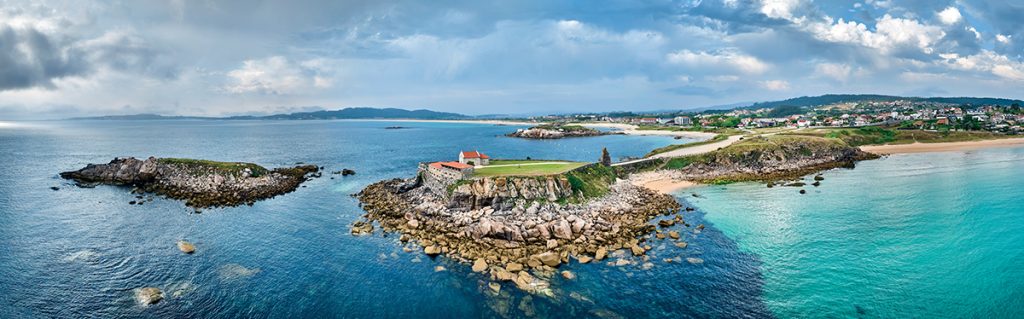
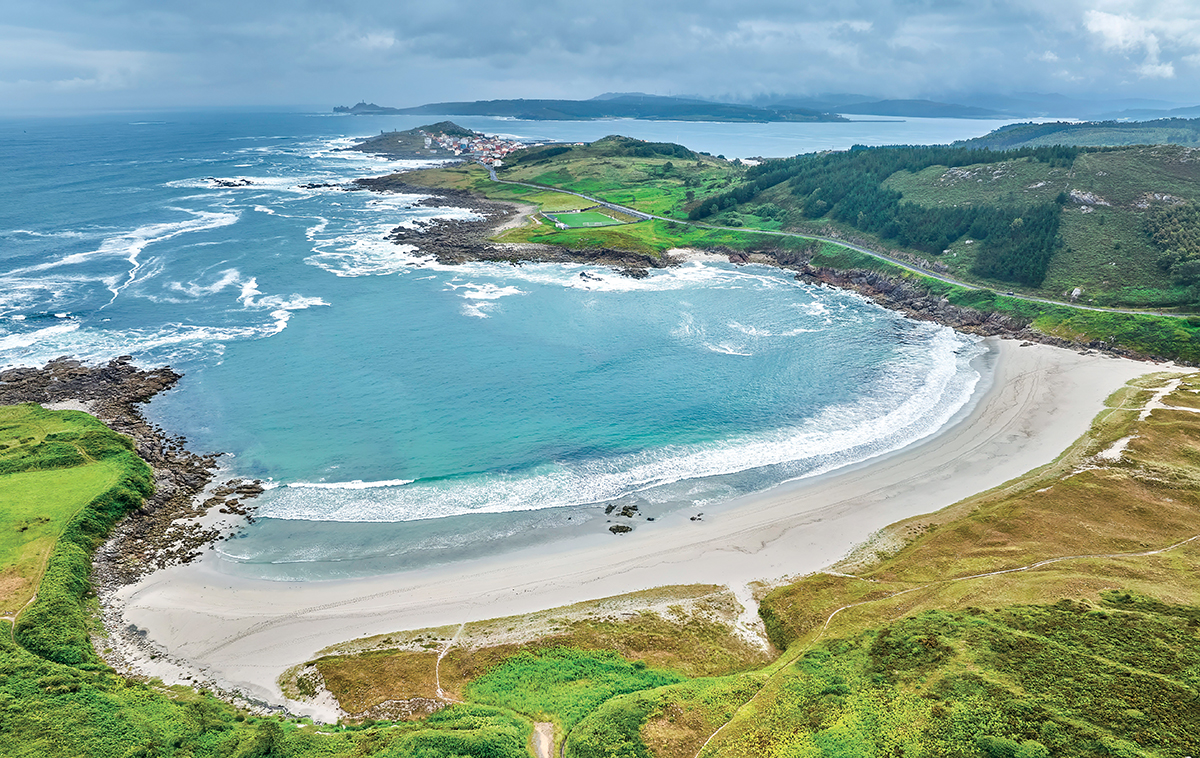
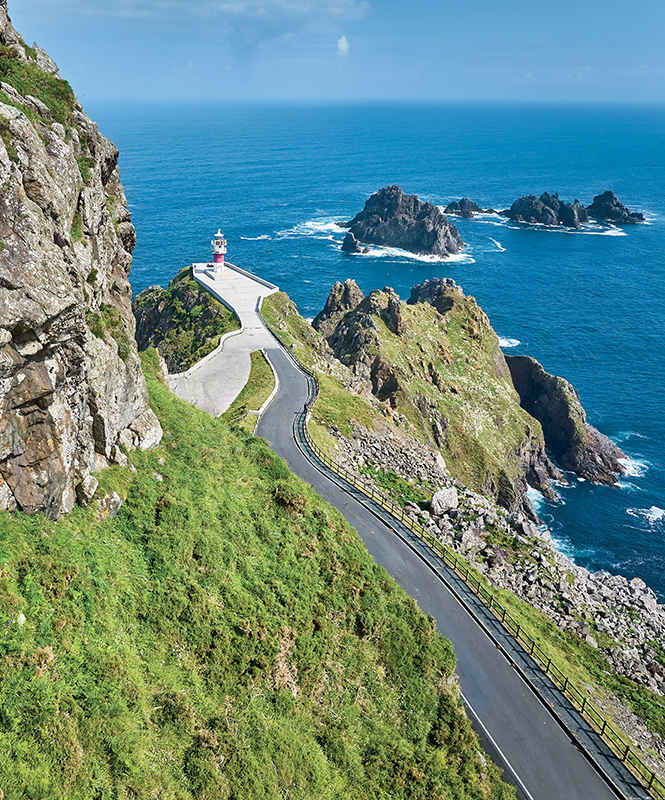
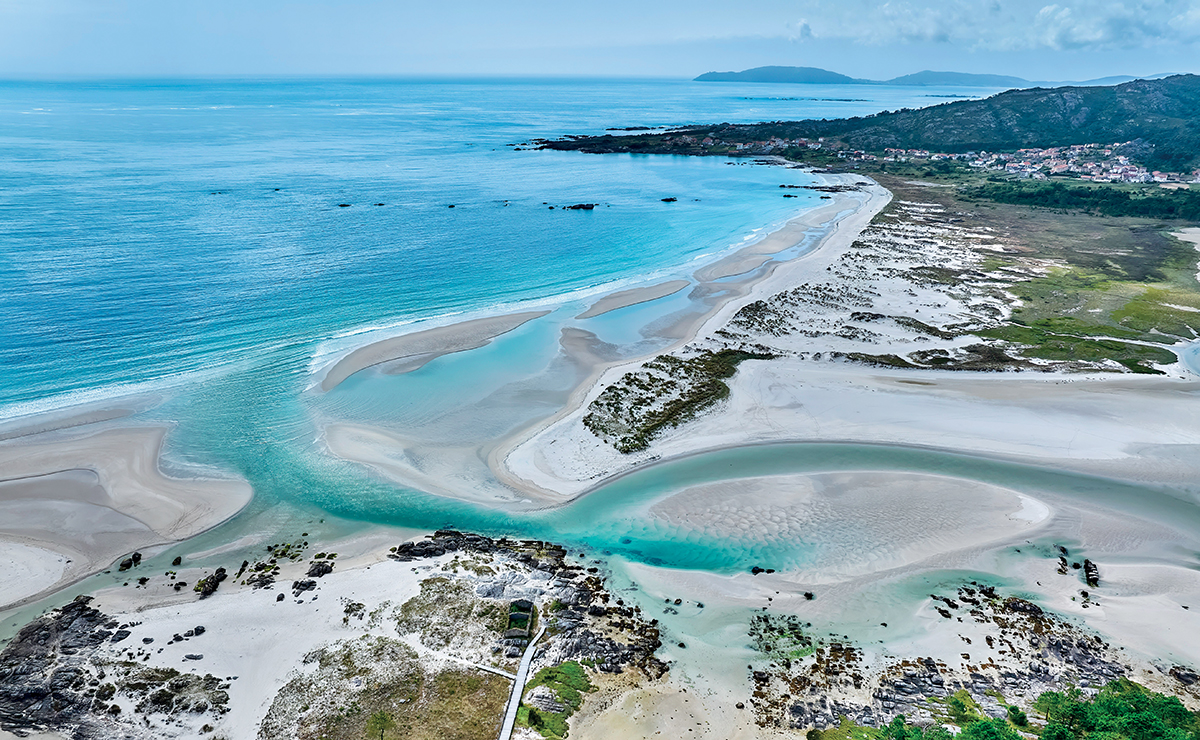
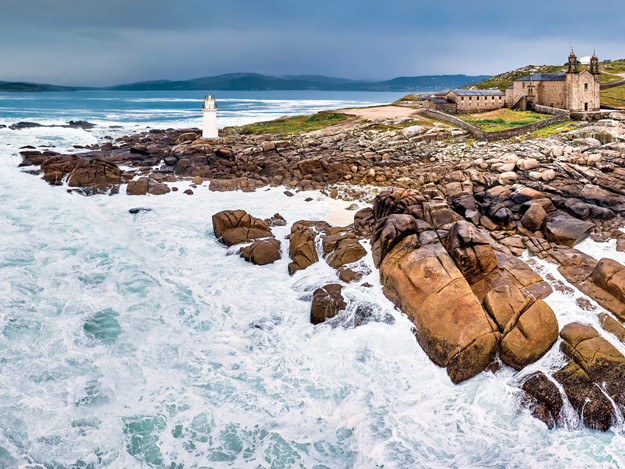
The coastline of Galicia is especially charming.
// The Via Marítima is a journey that reminds those who sail it that, before there were paths, there were waves. //
This is where pilgrims of the Camino via ocean cast off from a safe harbour with a secure seabed, the first point of contact with a deeply maritime Galicia. Before setting sail, it is worth admiring the sunset while visiting the fortress of Monterreal and its famous Prince’s Tower. In the ría, you sail along rugged and windy coastlines. The stop at the Cíes Archipelago is stunning, situated in the heart of the Galician Atlantic Islands Marine-Terrestrial National Park, which the Romans called the Islands of the Gods. This stretch is entirely Atlantic: long waves, strong winds, and a low tolerance for planning errors. Anchoring is permitted only in designated areas and under stable weather conditions (iatlanticas.es/formulario/formulario_espanol.pdf). According to the British newspaper The Guardian, the long white beach of Rodas on the island of Monteagudo, also part of the Cíes Archipelago, is considered one of the best beaches in the world.
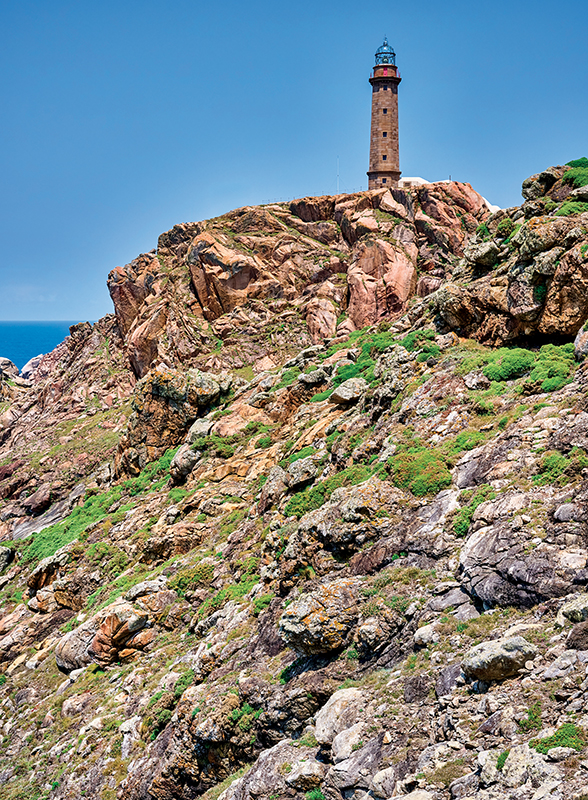
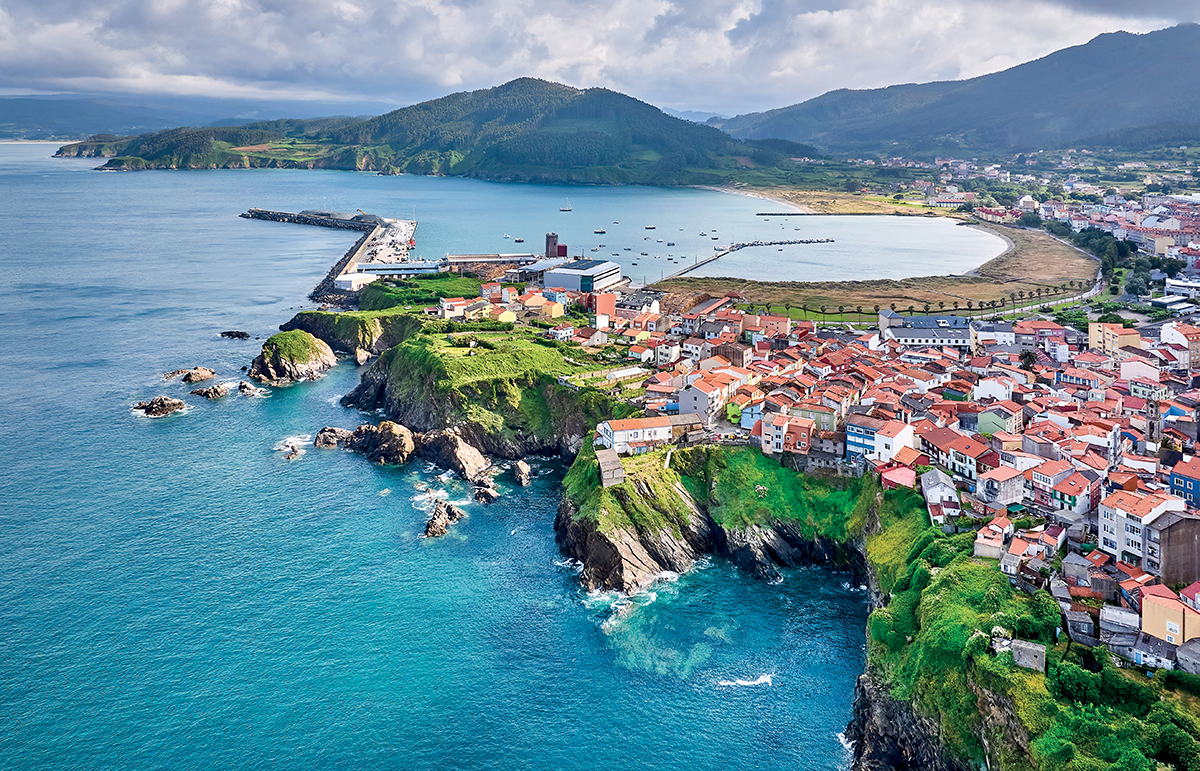
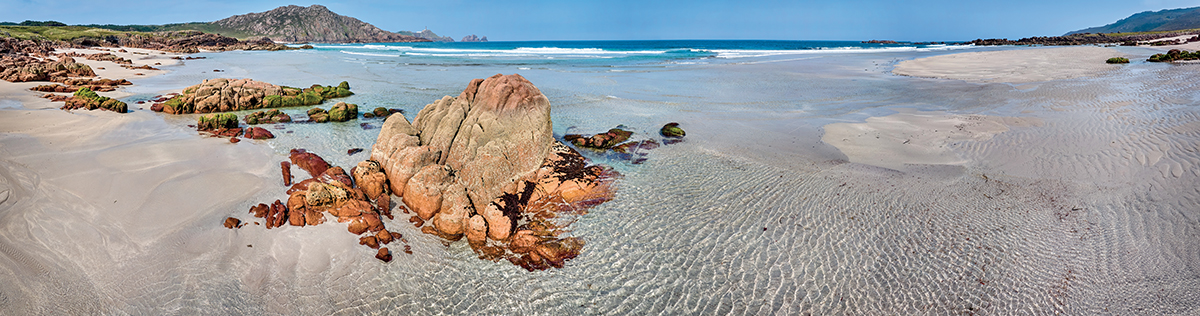
El camino a vela, elcaminoavela.com – 5-27 June 2026
If you continue north along the coast, you enter the Ría de Pontevedra, where navigation is more sheltered. The internal waters allow for easy sailing even in strong winds. Pontevedra boasts one of the most elegant historic town centres and is the second most important in Galicia, after Compostela. Here, pilgrims would disembark and continue on foot towards Santiago. The ría is well-protected, with mild winds and a generally even seabed, making it ideal for transfer navigation. Slightly further south-east, along the same ría, you reach Sanxenxo, one of the main centres of Galician pleasure boating. Its marina is well equipped and easily accessible, making it an ideal technical stopover for refuelling, weather checks, and planning the next leg. It is highly recommended to stop at the marvellous Real Club Nautico Sanxenxo (rcnsanxenxo.com) before entering the extensive Ría de Arousa at Cambados, further north, the productive heart of maritime Galicia. Here, venturing to sea becomes more of a challenge: the bateas for mussel farming occupy large areas and require careful reading of the nautical chart and signals. The currents are sensitive and local traffic is busy, especially during daylight hours. It is an ideal place to try the marisqueo route (guimatur.org), a shellfish-gathering tour that is tide-dependent and not always available. From this point, the traditional route heads towards Santiago de Compostela, not directly from the sea, but sailing up the river Ulla to Padrón, as recounted in the traditional story of the arrival of the remains of Apostle James. This is where the Atlantic transitions into the river and land.
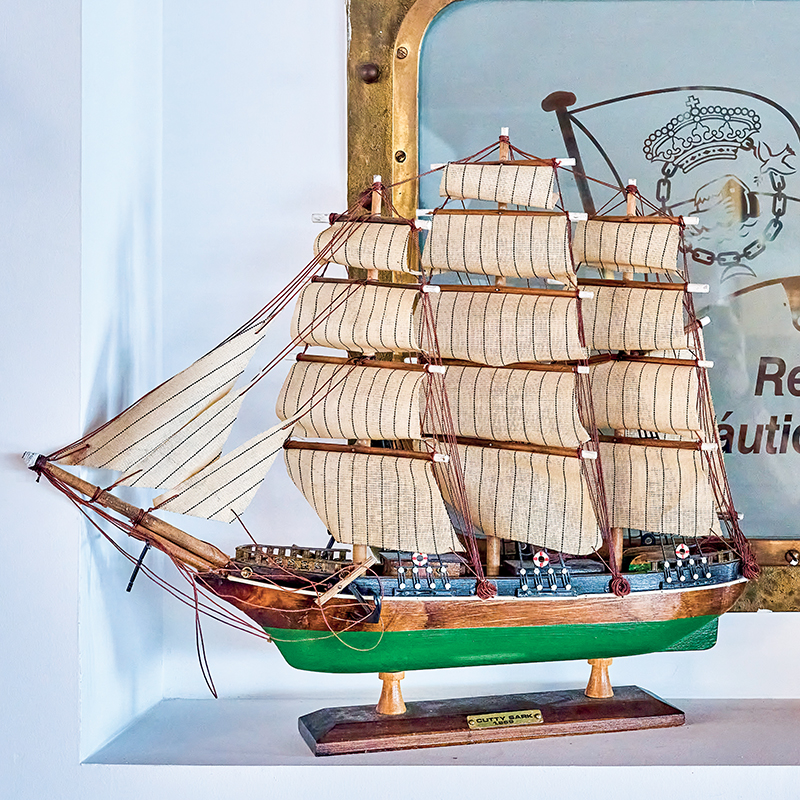
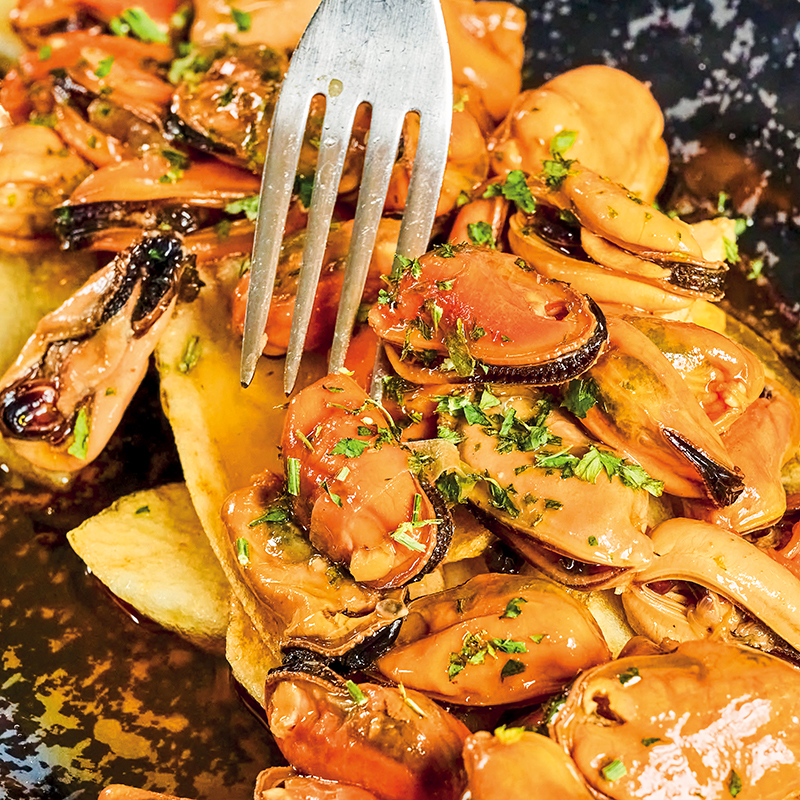
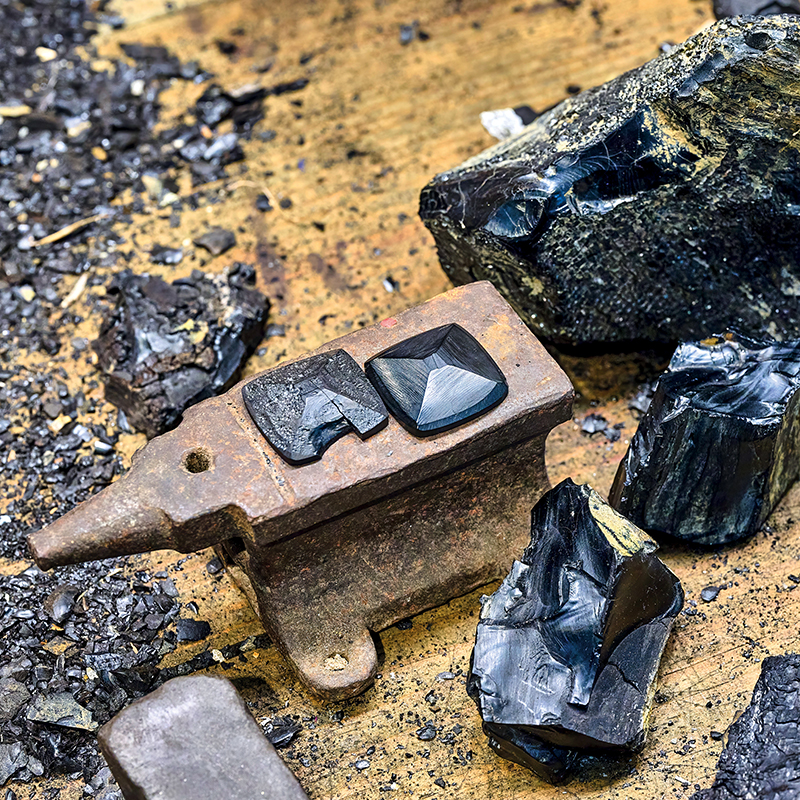
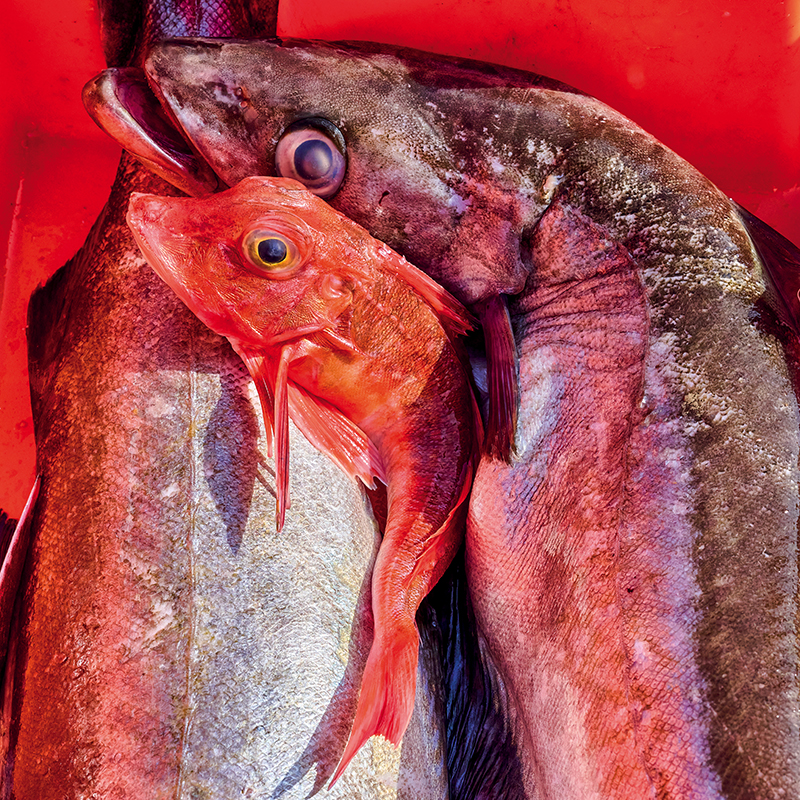
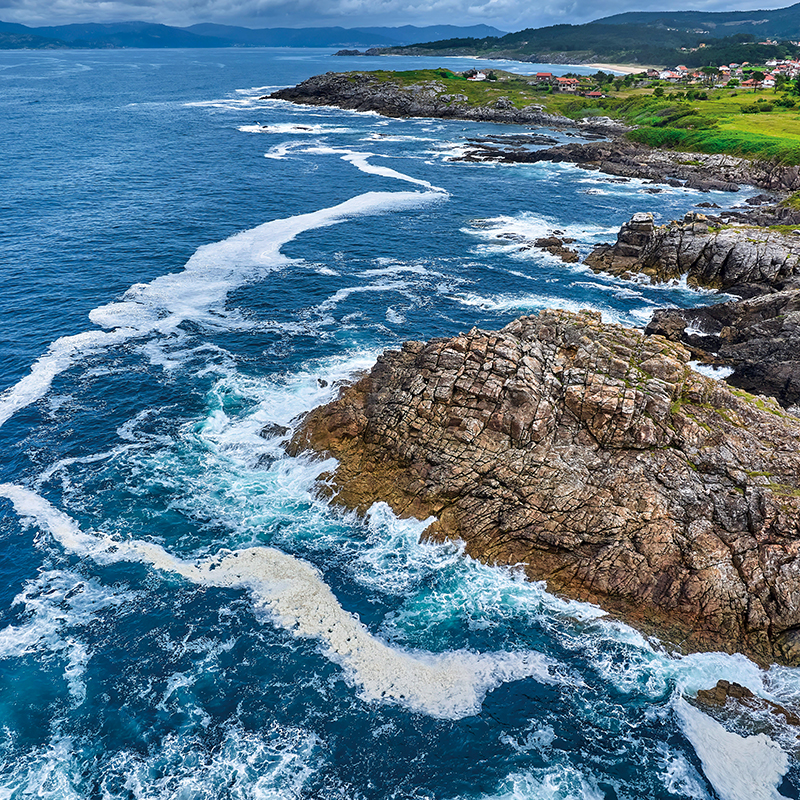
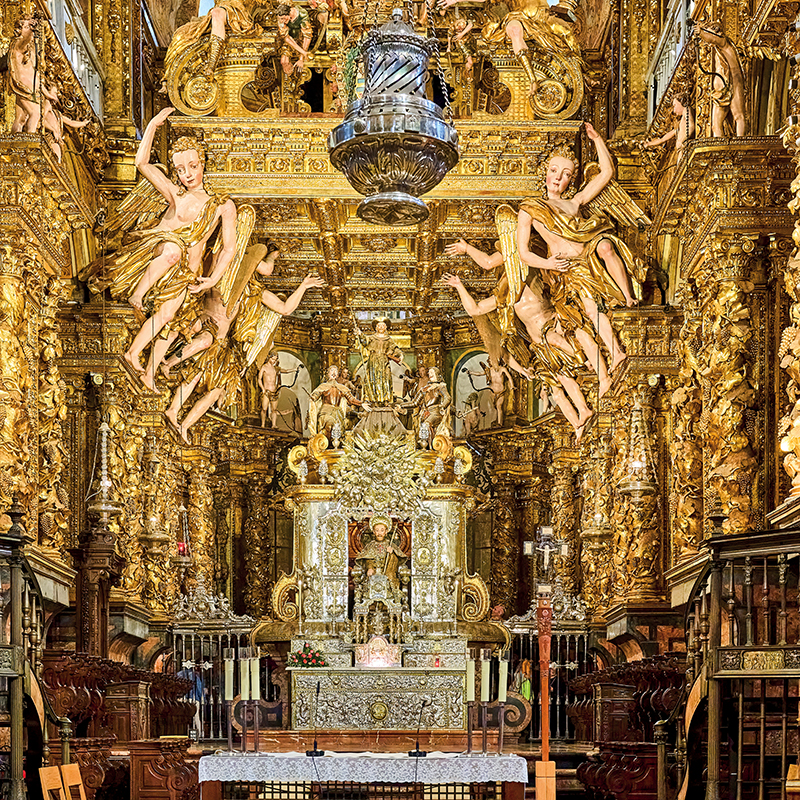
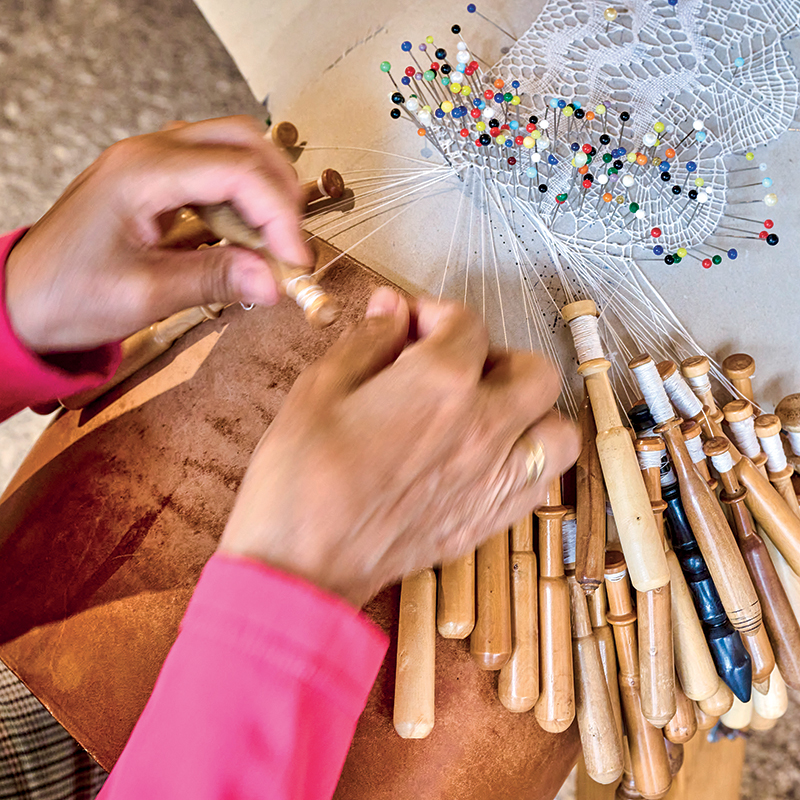
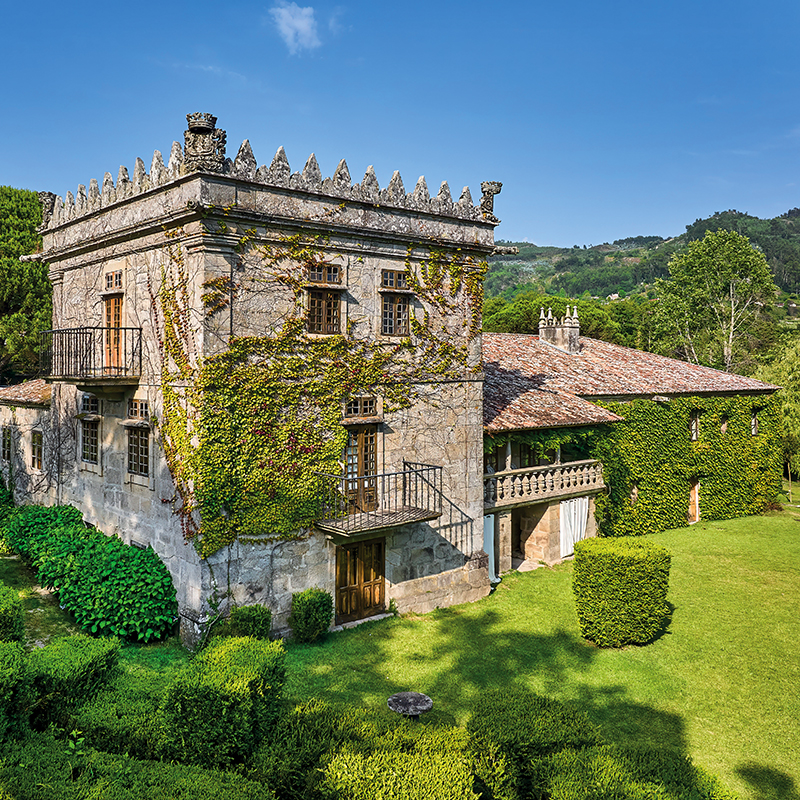
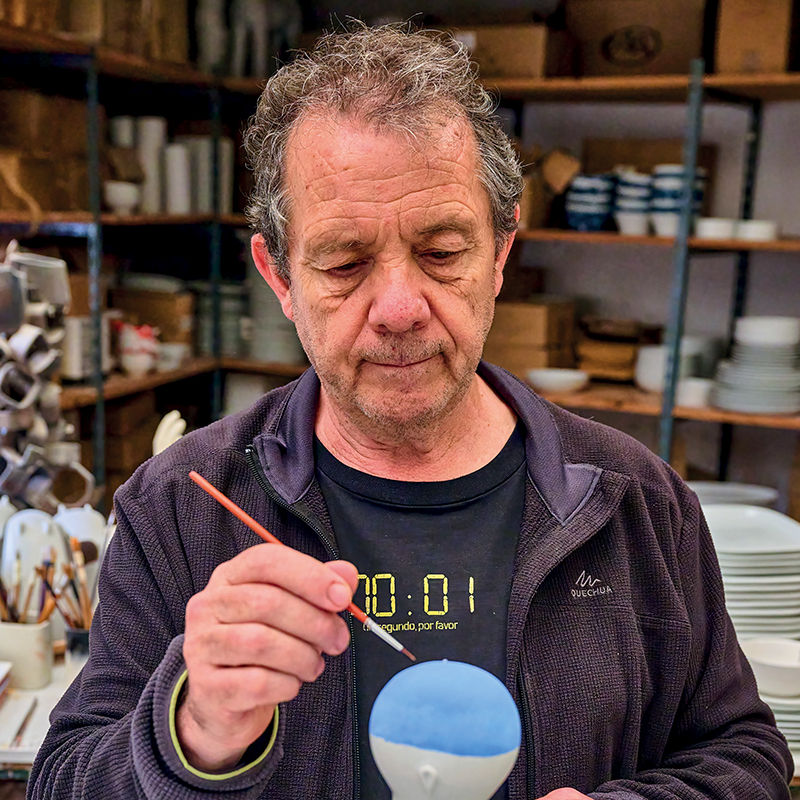
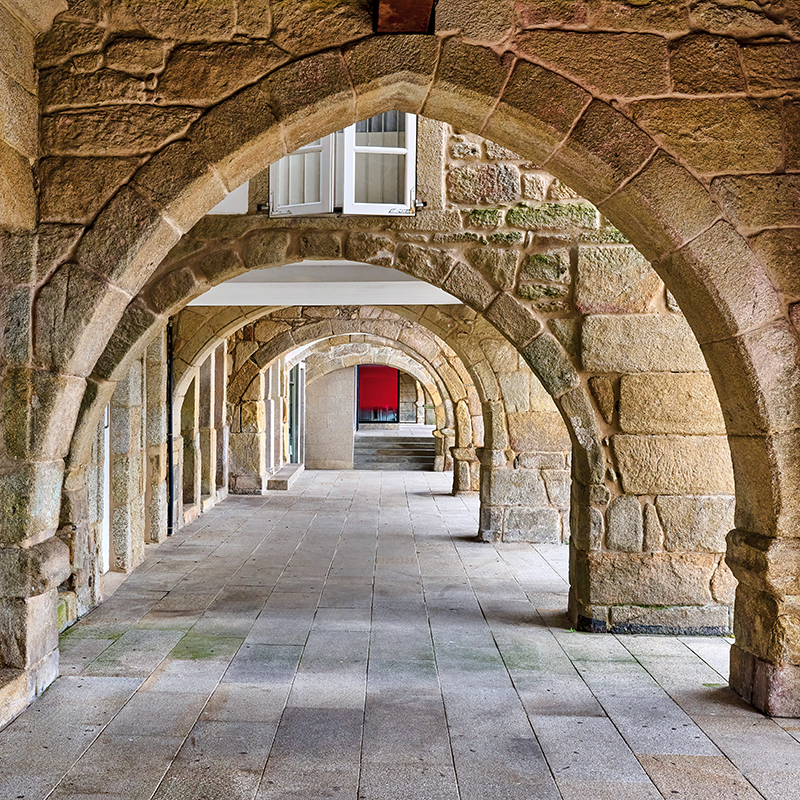
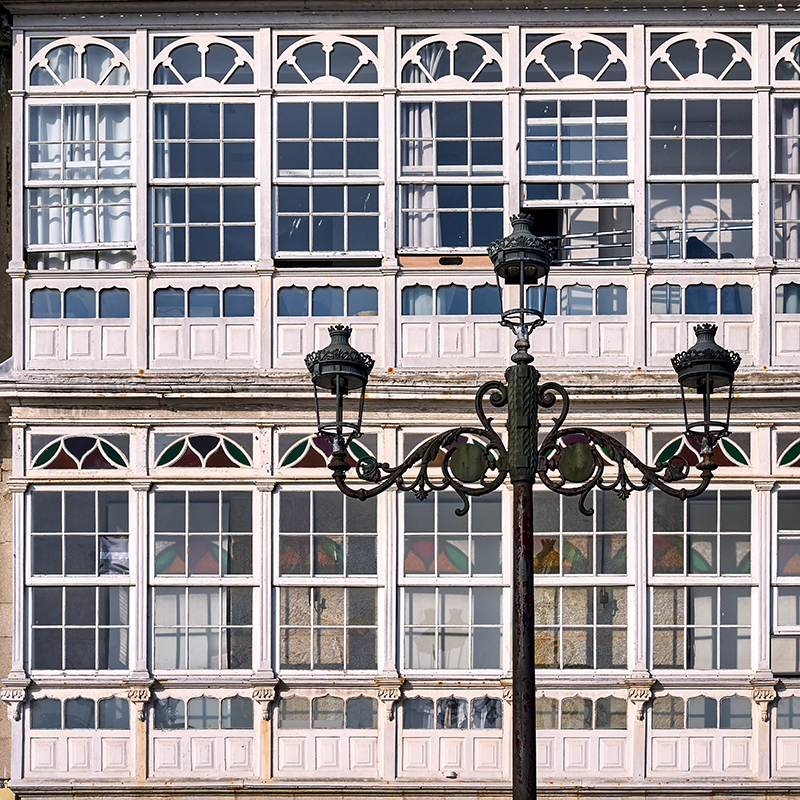
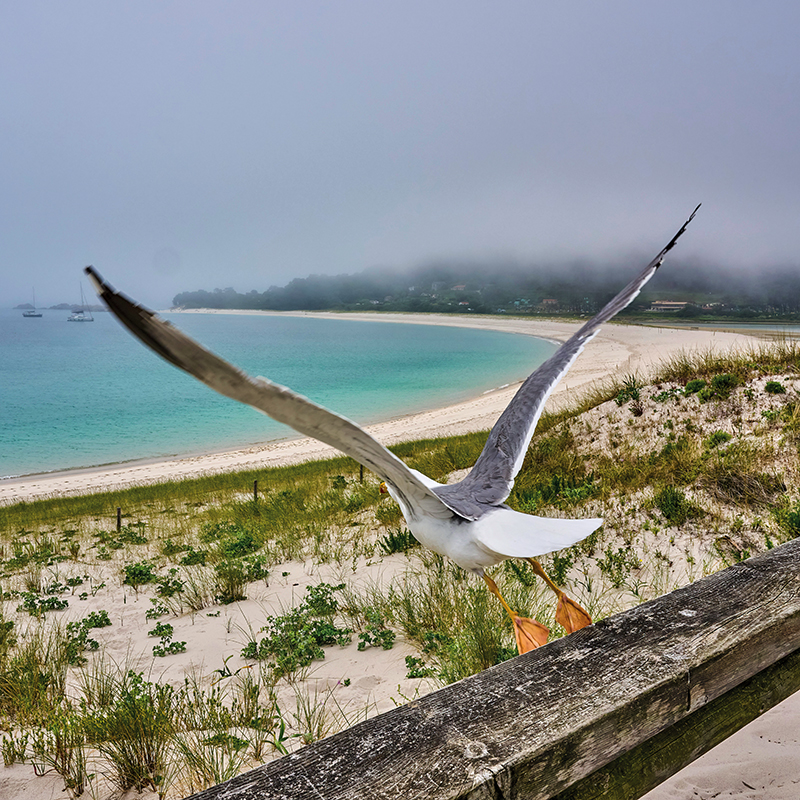
Galicia is an ancient land rich in culture, folk traditions,
fine craftsmanship, culinary delights, unspoilt nature,
and diverse architecture.
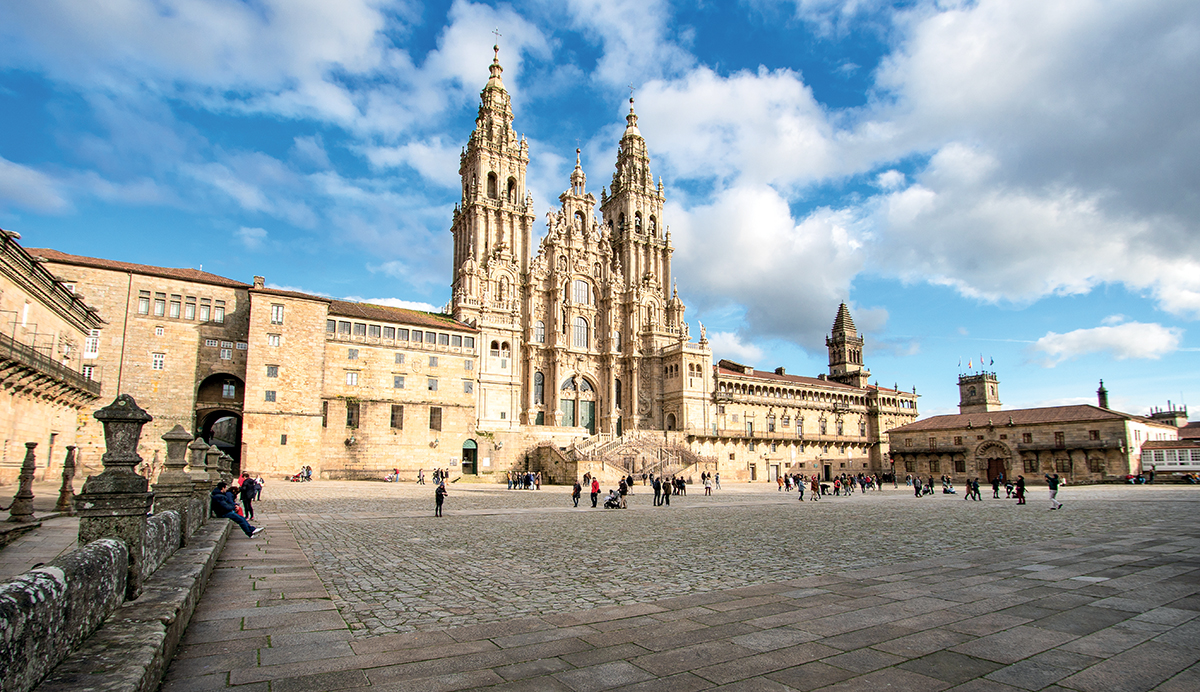
Santiago de Compostela can be reached by mooring at one of the ports along the Galician coast. Each pilgrim is free to choose how to travel to the renowned cathedral in Praza do Obradoiro, which – according to Christian tradition – has safely housed the mortal remains of James, Apostle of Jesus, for more than a thousand years. The perimeter of the square, covering 7,700 m², is adorned with the city’s five main civil and religious buildings, each in a different style, reflecting centuries of history. Standing in front of that magnificent Baroque façade – a masterpiece from the XVII/XVIII century and the final stage of the Camino – takes your breath away. Despite the large, buzzing crowds, you quickly find yourself in front of two 74-metre-tall towers and the monumental central triptych crowned by the statue of St. James. “You feel a pleasant inner silence”, as a pilgrim who has just completed the French Way tells us. A potential return to the water for those wishing to continue towards the Costa da Morte is at Portosín, a modern and well-equipped harbour (rcnportosin.com). Another technical stop in the Ría de Muros is Noia, which is highly valued by pleasure boaters for its safe mooring and protection from prevailing winds, but especially as a place where you can enjoy the summer sunset around 10.30 p.m. while dining at the club. The marina provides good shelter and is often used as a roadstead to evaluate weather conditions before venturing into the open sea. Muros is among the best-preserved historical harbours on the Galician coast, featuring houses overlooking the water, granite docks, and a strong connection between the city and the ocean.
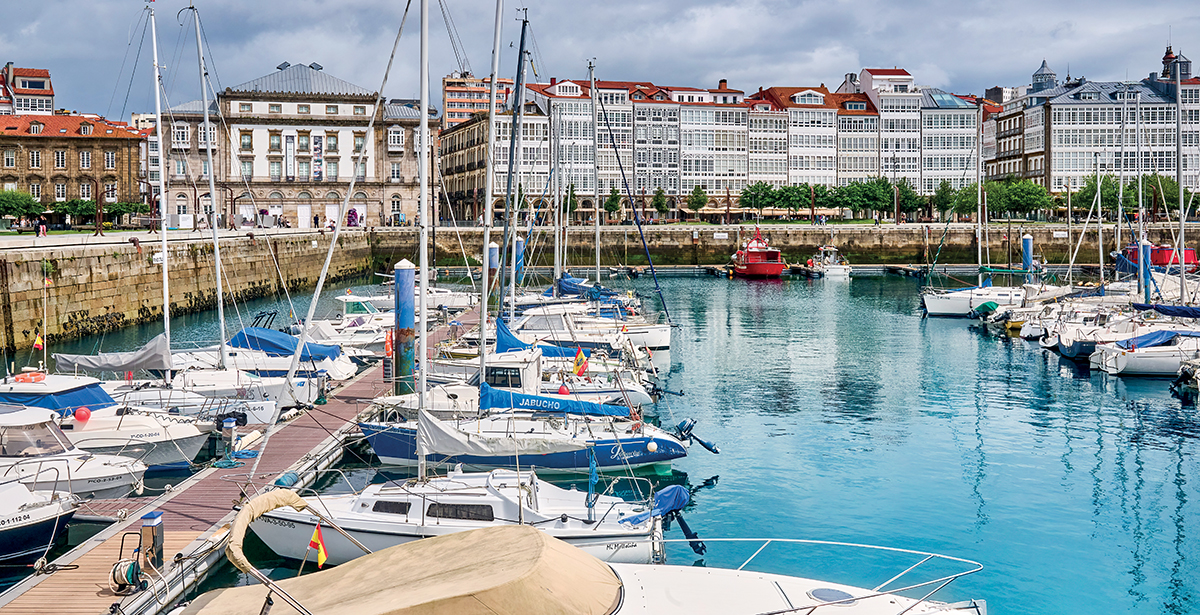
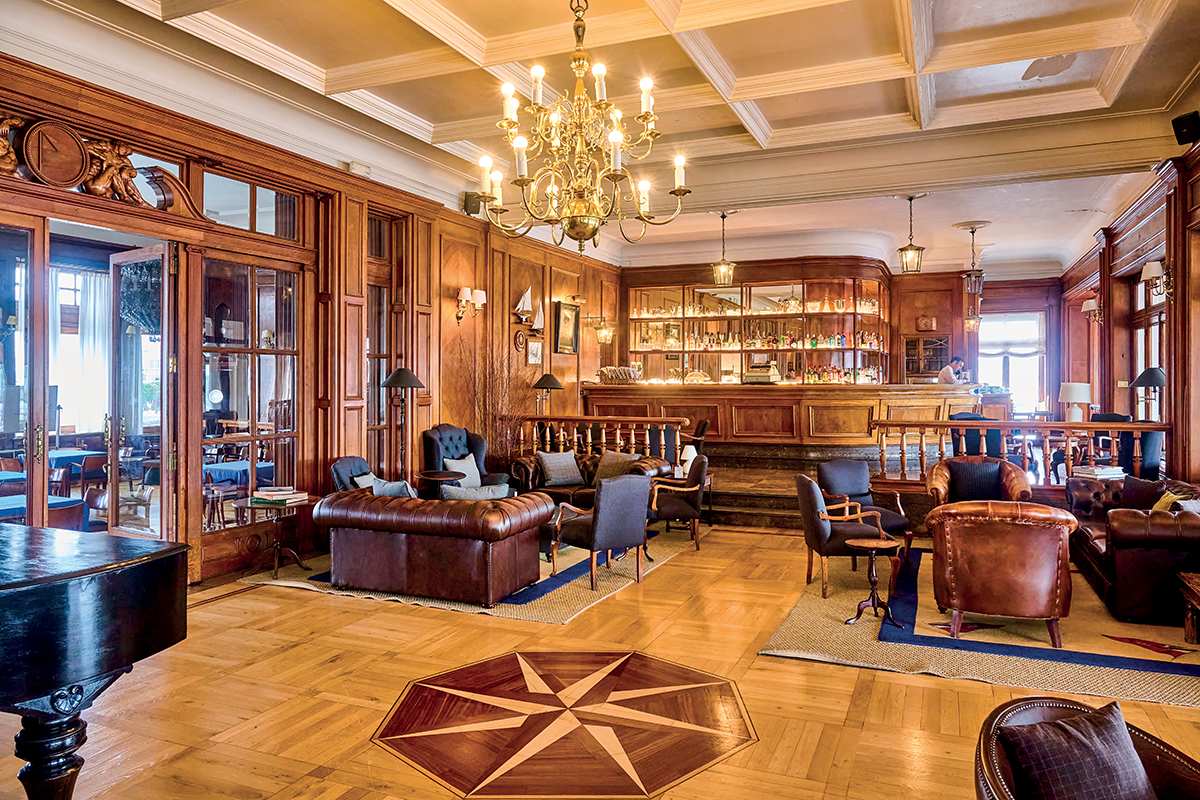
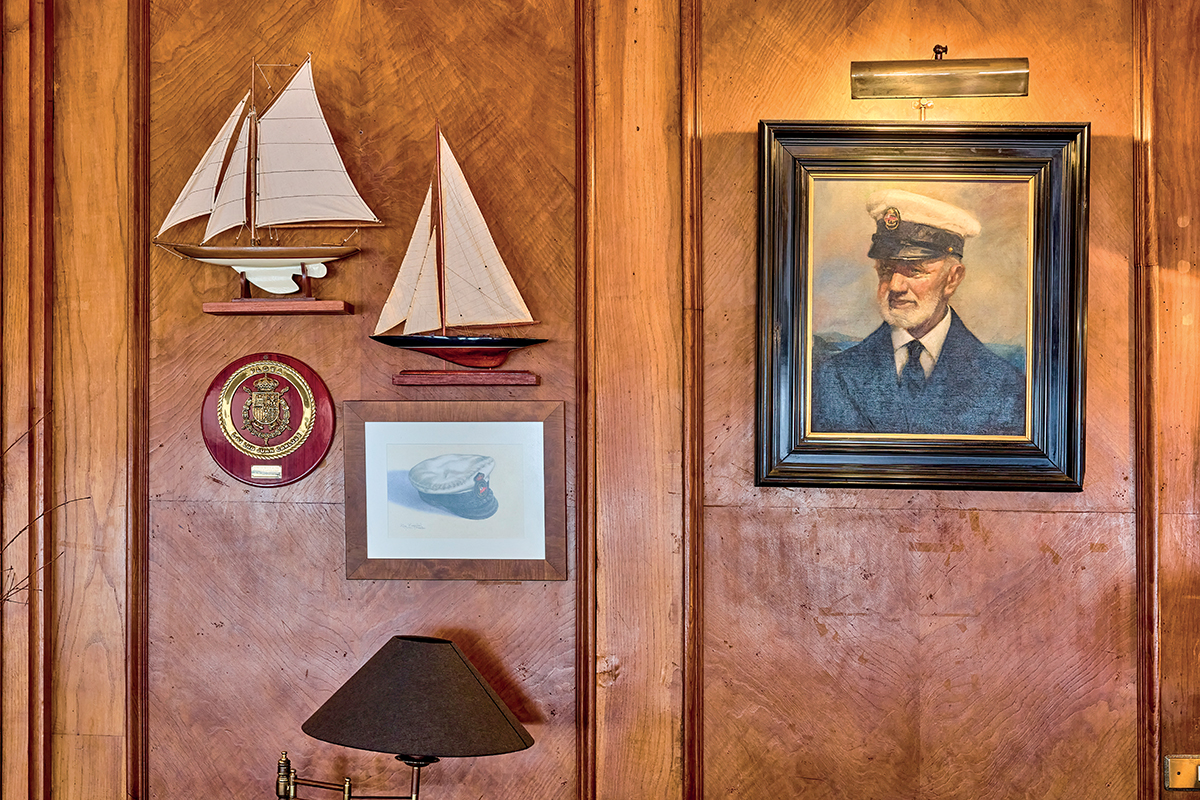
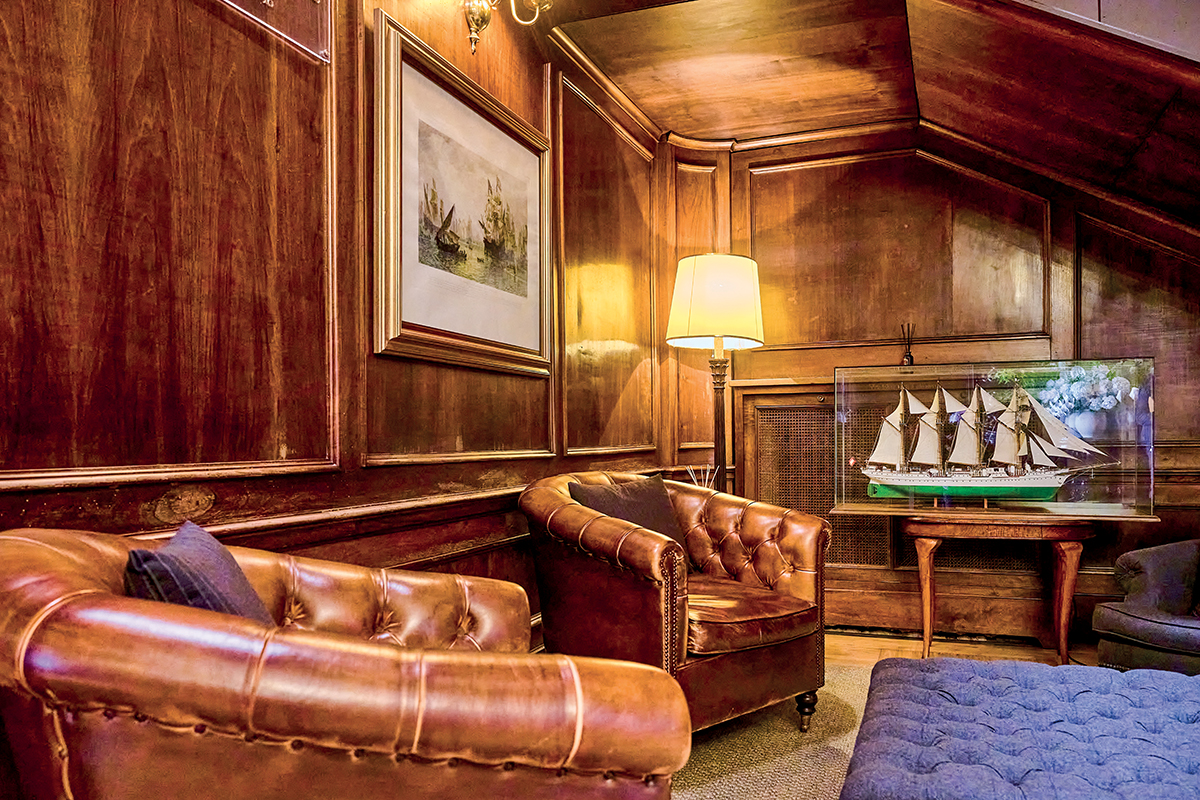
// The maritime route that once connected faith, trade,
and coastal navigation can now be traced by boat, with designated stops and mooring points at ports, yacht clubs, marinas, and landing stages built for contemporary recreational boating. //
Here, the maritime Camino reveals its most authentic character, composed of landings and coastal navigation. The access point is clear and well-signposted, with the granite docks bearing witness to a long maritime history. It is a highly recommended stopover. Slightly further north lies Carnota, with its fishing harbour, a small landmark along the coast which becomes even more open and challenging on this stretch. At this point, the Atlantic takes on a different character, becoming more direct, with longer waves, constant wind, and fewer options for immediate refuge.
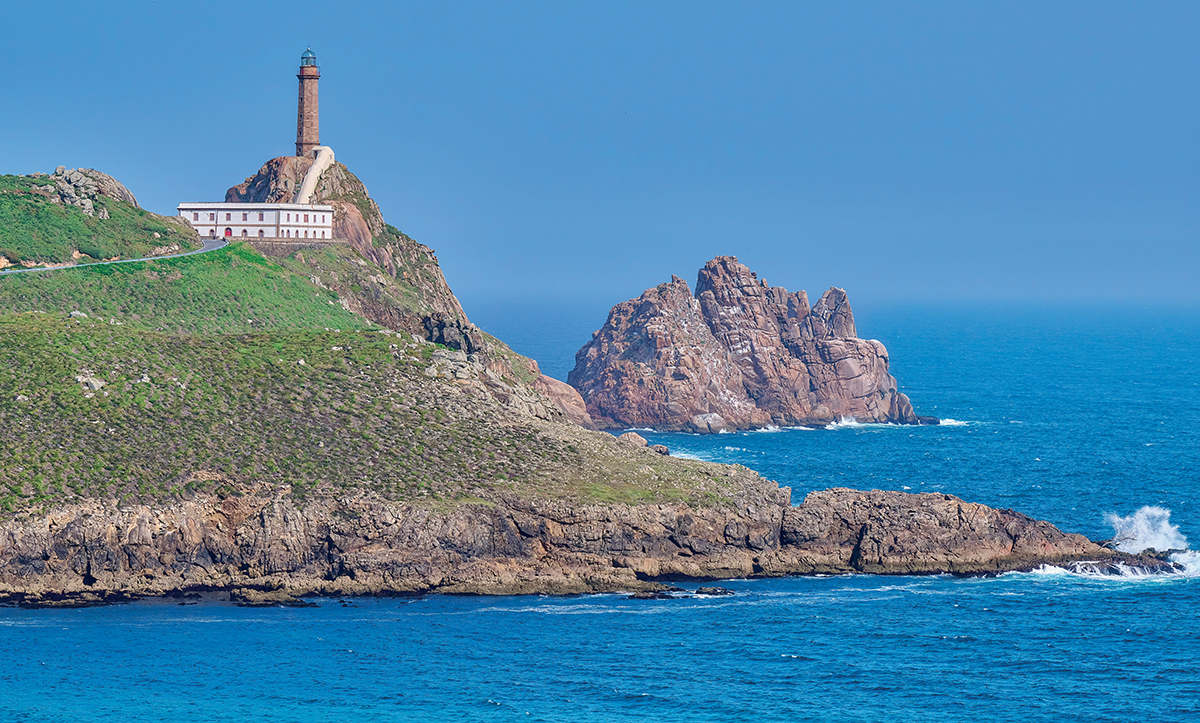
The landing at Finisterrae holds a significance that extends far beyond boating: it is the gateway to the Costa da Morte. The finis terrae of the Romans is a symbolic place, with a cosy harbour and a lighthouse dominating the highly exposed coast and marking one of the most western points of the Camino. From here, the route continues towards Cabo Vilán, one of the most iconic and feared lighthouses in Galicia, built after several shipwrecks on that coast, and one of the most challenging passages of the entire itinerary. Its waters are among the most difficult and dangerous along the Spanish coast: strong currents, cross-sea conditions, and frequent, sudden fog. The final stretch of one of Europe’s oldest routes is A Coruña, a large, open, and historic Atlantic port with comprehensive infrastructure and fully equipped yacht clubs, serving as the natural conclusion of a journey that is both a navigation and a narrative. A journey that can be measured in routes, lighthouses, and landings. And which reminds all sailors that before paths we had waves (turismo.gal). This is an experience you can also enjoy by participating in El Camino a Vela (elcaminoavela.com, 5/27 June 26) or in the VI Ruta Náutica Rías Baixas-Camino de Santiago Ria de Muros Noia (mrcyb.es/eventos/evento/vi-ruta-nautica-rias-baixas-2026), where the boat is an integral part of the pilgrimage.
(Santiago by sea – The power of walking on water – Barchemagazine.com – Excerpted from Barche, May 2026)