Tefaf Maastricht – Seven thousand years of history

The 2026 edition of TEFAF returned to the Maastricht Exhibition & Conference Centre in its distinctive style, unveiling an extraordinary array of historical rediscoveries, exceptional works, and museum-quality treasures from a diverse range of international exhibitors

by Sophia Negri

Celebrated globally as the premier destination for art, antiques, and design, TEFAF Maastricht covers 7,000 years of art history, from antiquity to the modern day.

     Now in its third year, the Focus section has allowed galleries to examine a single artist or concept in detail. The Summit, in partnership with UNESCO Netherlands, examined the transformative impact of culture on economic, social, and health outcomes and promoted greater integration of the arts into public policy.

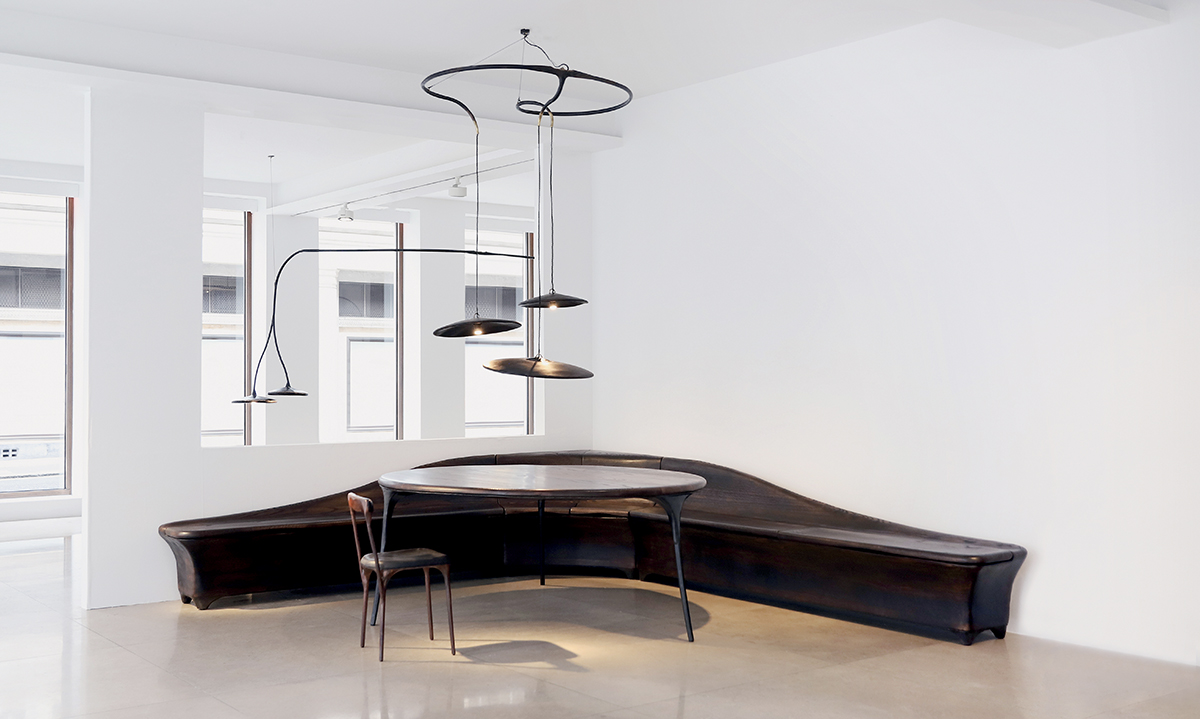
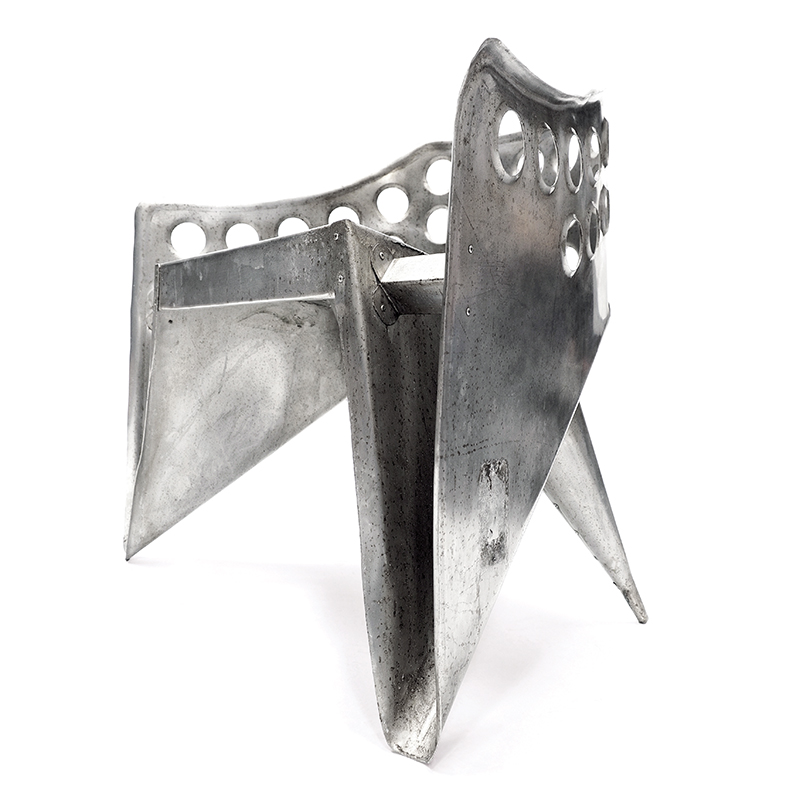
Zaha Hadid.  Photo Courtesy of David Gill Gallery.

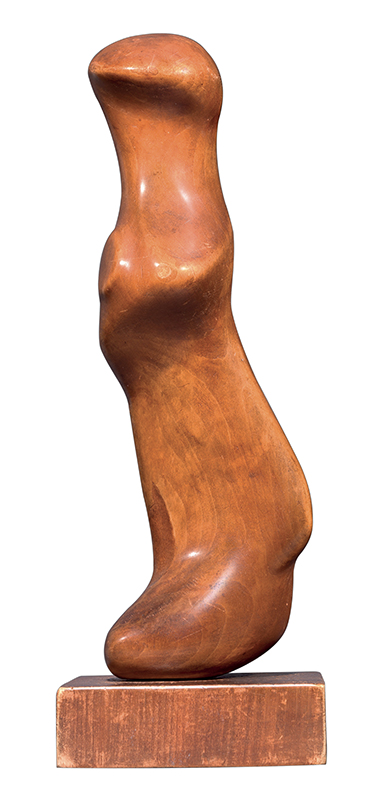
Henry Moore, Figure, 1932, Beechwood. Photo Courtesy of Osborne Samuel.

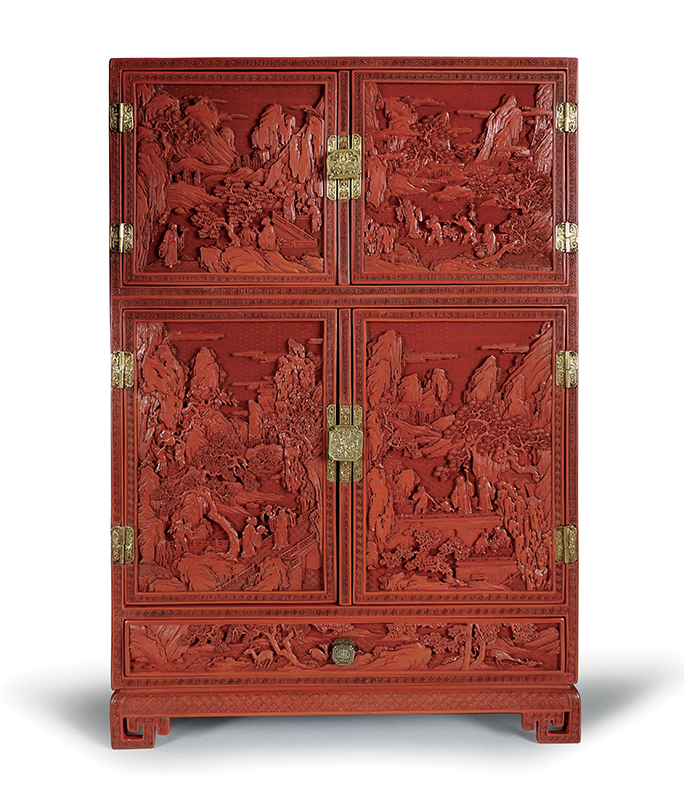
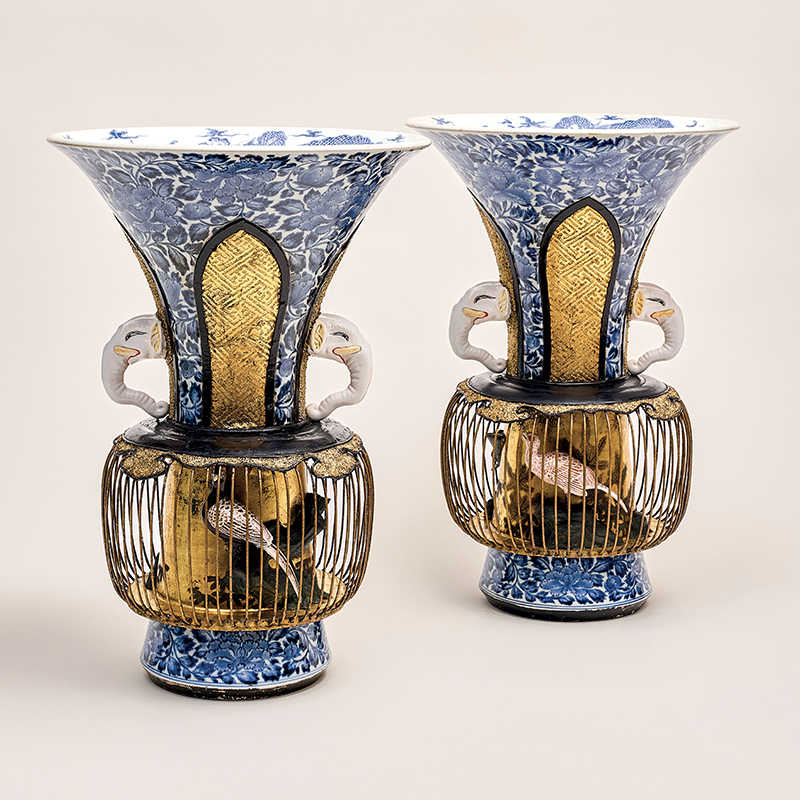
Imperial carved lacquer cabinet, Qianlong Period (1736-1795), Carved lacquer, 57,3 x 38,8 cm. Photo Courtesy of Paul Ruitenbeek Chinese Art.

     The event featured four thematic exhibitions on loan: Kunsthaus Zürich (Alberto Giacometti and Dialogue), Centraal Museum Utrecht (The Ecstasy of Mary Magdalene), the Prince Claus Fund (Thirty Years of Supporting Artists) and the King Baudouin Foundation (Preserving Belgian Masterpieces).

Alongside works from museums and major private collections, the event continues to offer a prominent platform for specialist galleries, which have showcased to Maastricht old master paintings, sculptures, decorative arts, design, and contemporary works.


Italian galleries are traditionally among the most represented
in the art and antiques sector.

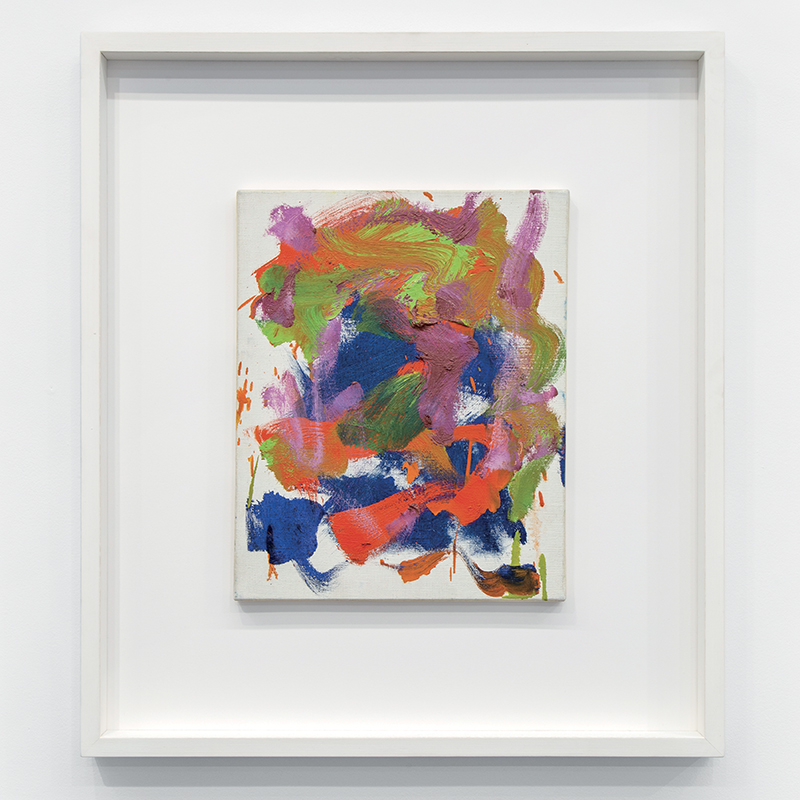
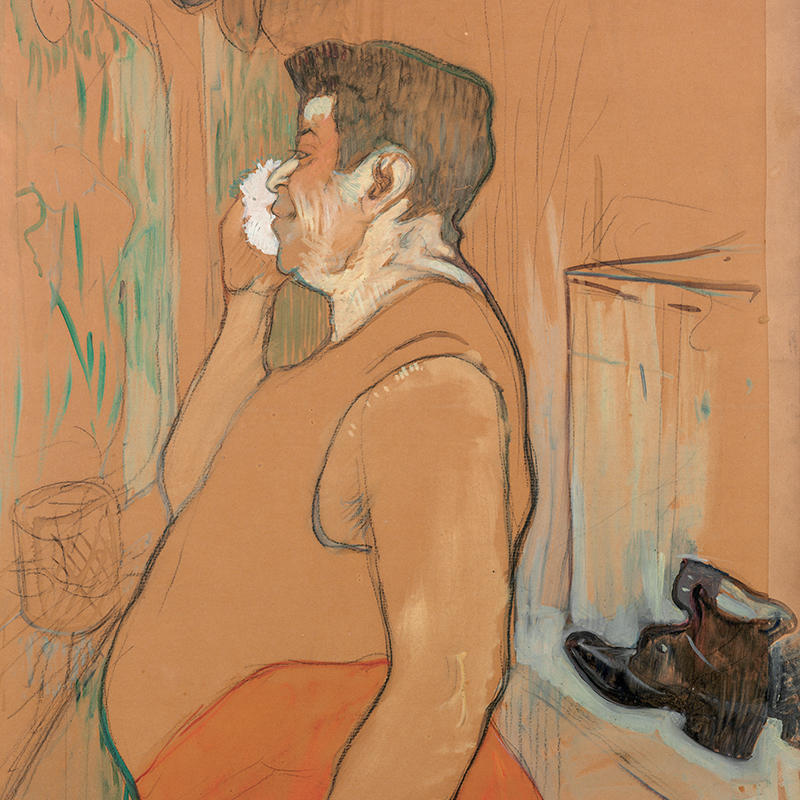
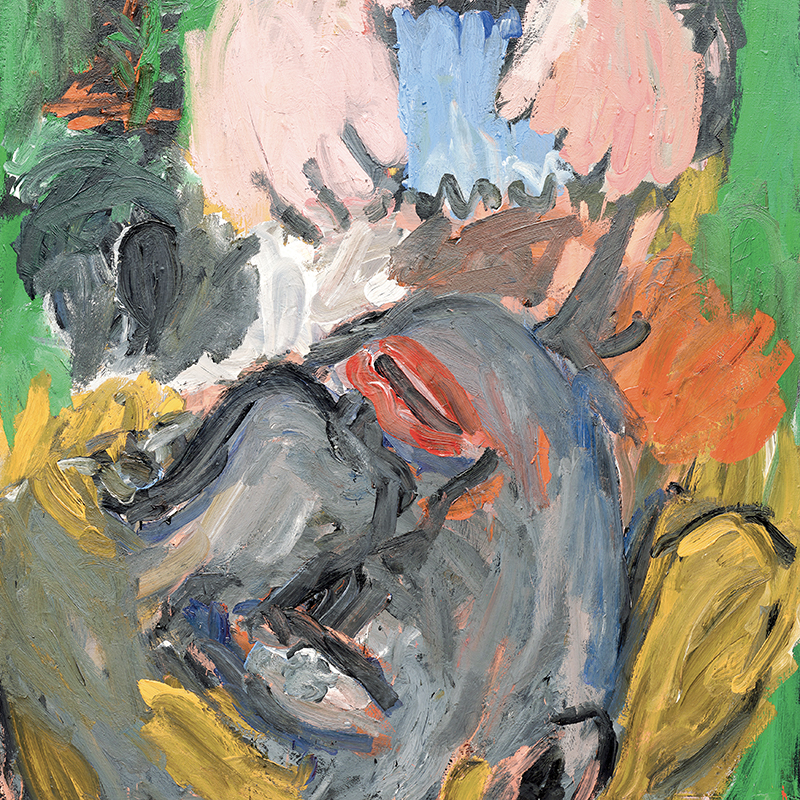
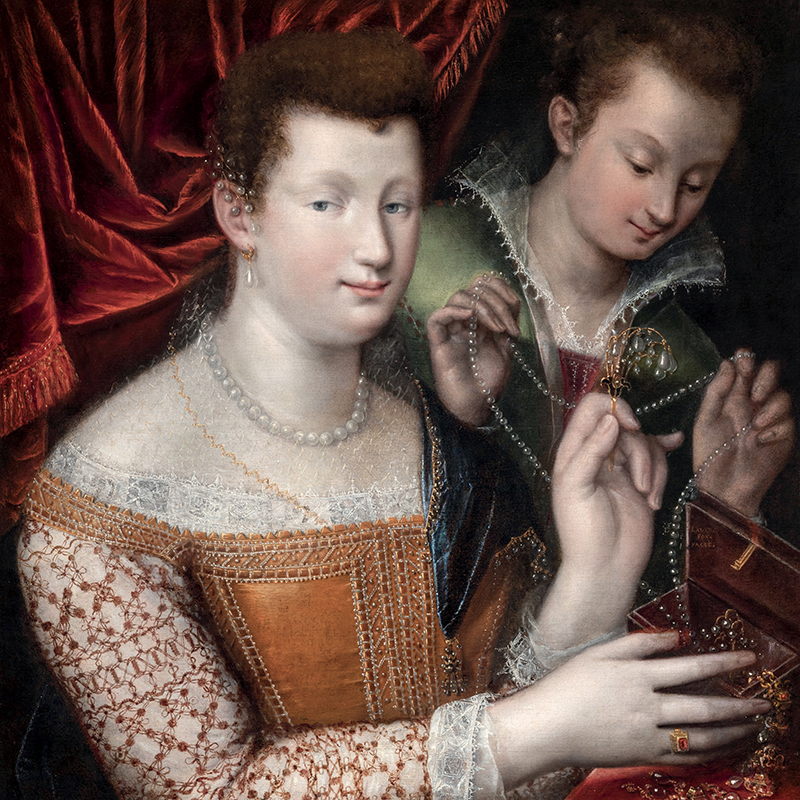
     Among the most important works are a self-portrait engraving by Rembrandt from 1630, an early still life by Paul Gauguin, an oil on panel by the very young Claude Monet, painted whilst he was still a teenager, and a luminous painting by Berthe Morisot from 1892, a pivotal year for this pioneer of Impressionism. The chronological and stylistic variety of this selection alone illustrates the fair’s encyclopaedic ambition.

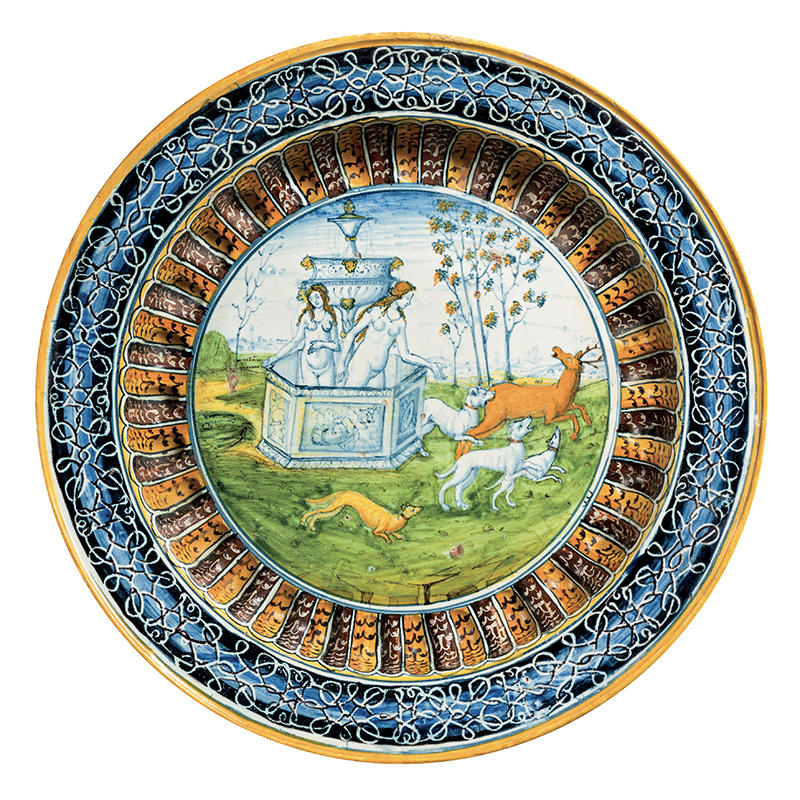
Istoriato basin painted with Diana and Actaeon and the Magen David incorporated in the knotwork border, 1500-1510, Tin-glazed earthenware. Photo Courtesy of Jeremie Beylard.

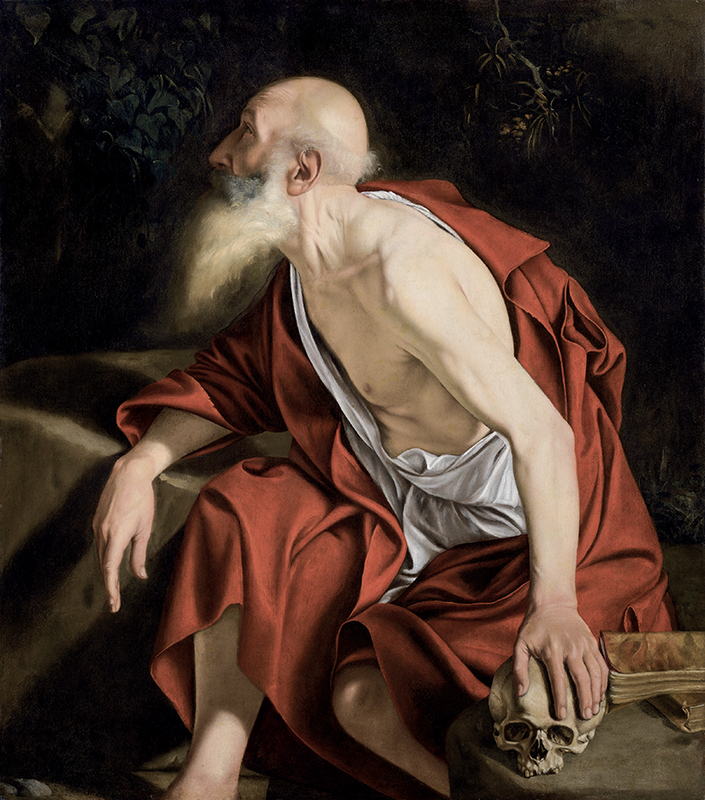
Orazio Gentileschi, The Penitent St Jerome, 1610. Oil on canvas, photo Courtesy of Trinity Fine Art.

TEFAF is a non-profit foundation that promotes expertise, excellence, and diversity within the global art community. This dedication is demonstrated through the careful selection of exhibitors for its two annual fairs, held in Maastricht and New York. TEFAF serves as an expert guide for private and institutional collectors, inspiring art enthusiasts and buyers worldwide.

      The Matthiesen Gallery presented Louis Gauffier’s The Orange Harvest. This masterpiece has remained intact for over two centuries, celebrating the female figure as the moral pillar of the domestic hearth in 18th-century society. TEFAF’s unique strength lies in fostering a dialogue between different eras.

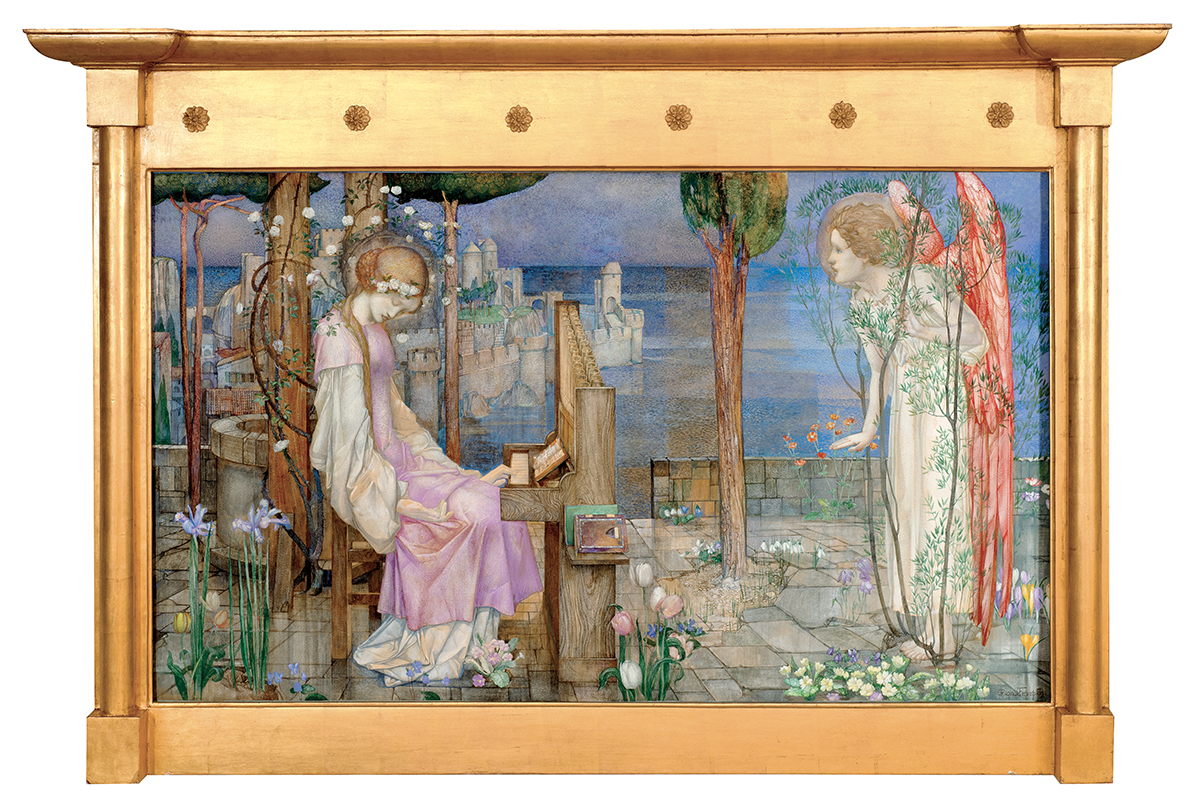
The Maas Gallery.

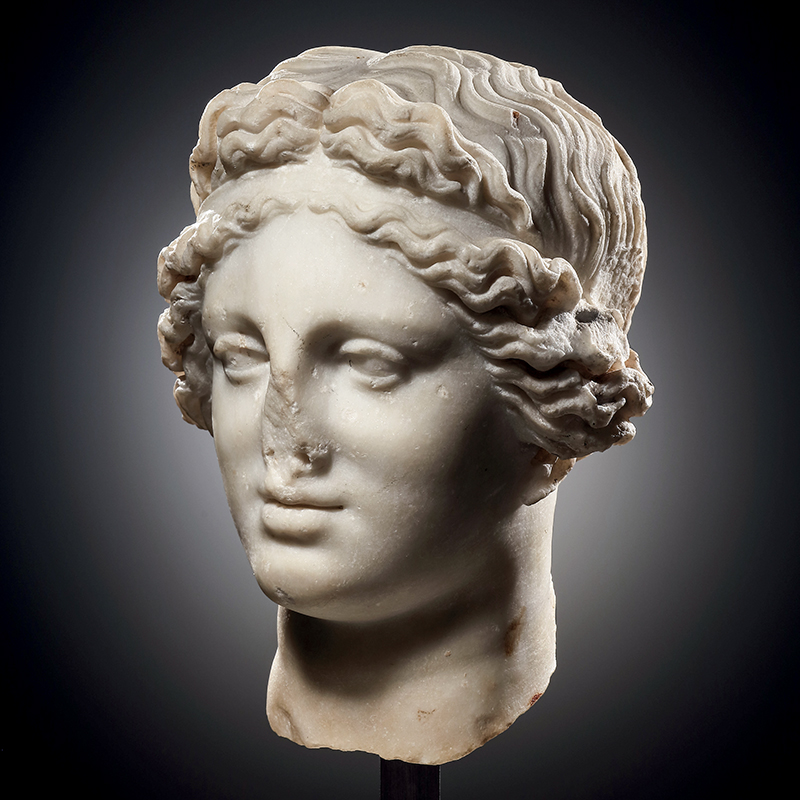
    Just a few steps away from an Attic funerary stele from the 4th century BC depicting the young Medea, presented by David Aaron, and a statuette of Ptah-Sokar-Osiris from the Ptolemaic period, on loan from Galerie Cybele, visitors were able to admire the wax and mirror installations by Berlinde De Bruyckere, created as an extension of her presentation at the 2024 Venice Biennale, or the luminous organic forms by Angela Heisch from Grimm. Eduardo Chillida, Barbara Hepworth and Arnulf Rainer completed this sculptural and pictorial panorama, which spans the centuries without ever losing its coherence.

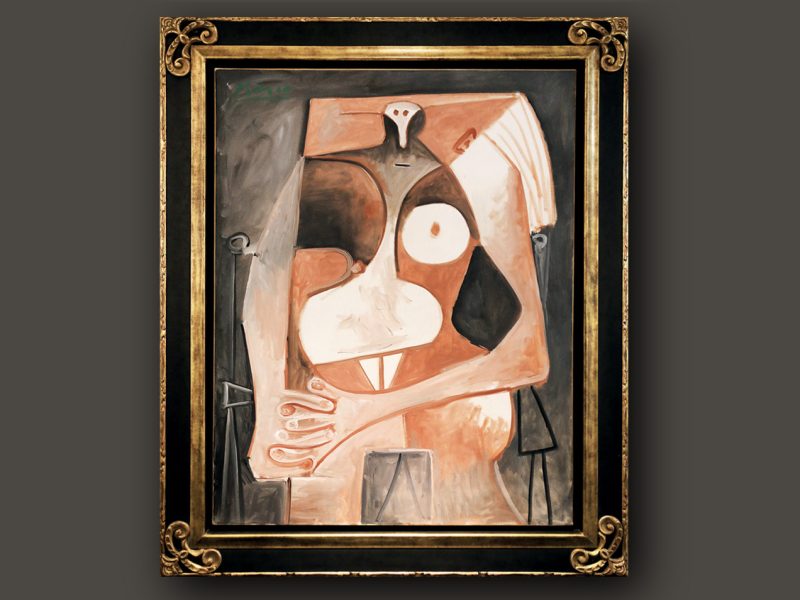
Opening image, Pablo Picasso, Femme nue assise, 1959, Oil on Canvas. Photo Courtesy of Galerie l’Institute.

(Tefaf Maastricht – Seven thousand years of history  – Barchemagazine.com – Excerpted from Barche, May 2026)