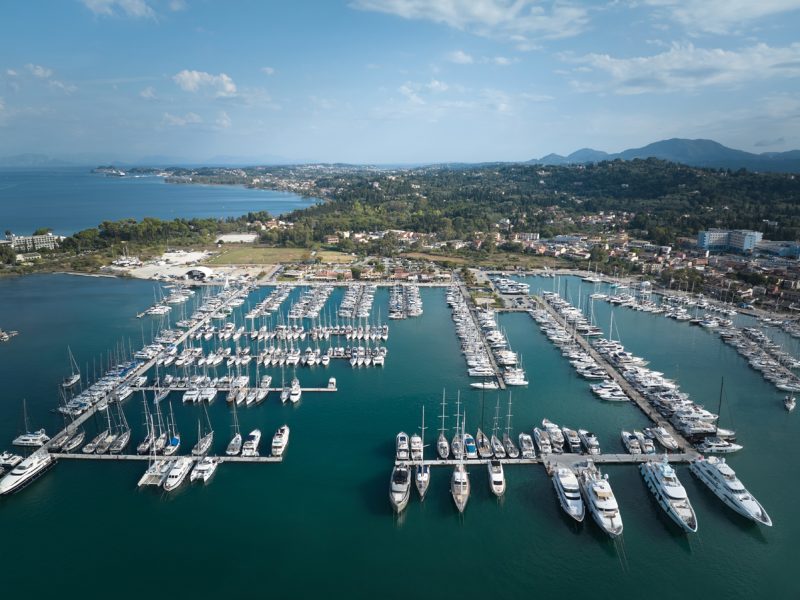
D-Marin is raising the bar for standard services in the nautical sector with the relaunch of Gouvia Marina in Corfu, backed by an investment of €8.5 million.
D-Marin has carried out a major redevelopment of Gouvia Marina in Corfu, investing €8.5 million to transform it into a modern, exclusive destination for boating and leisure. This project reinforces the marina’s role as a strategic gateway to the area whilst delivering tangible benefits for the environment, the local community and the visitor experience.
Strategically situated between the Adriatic and the Mediterranean, Gouvia Marina is Corfu’s largest marina and a key driver of the island’s economy. The project embodies D-Marin’s long-term vision to enhance the yachting experience whilst establishing the marina as a vibrant, open space fully integrated with the local area and community.
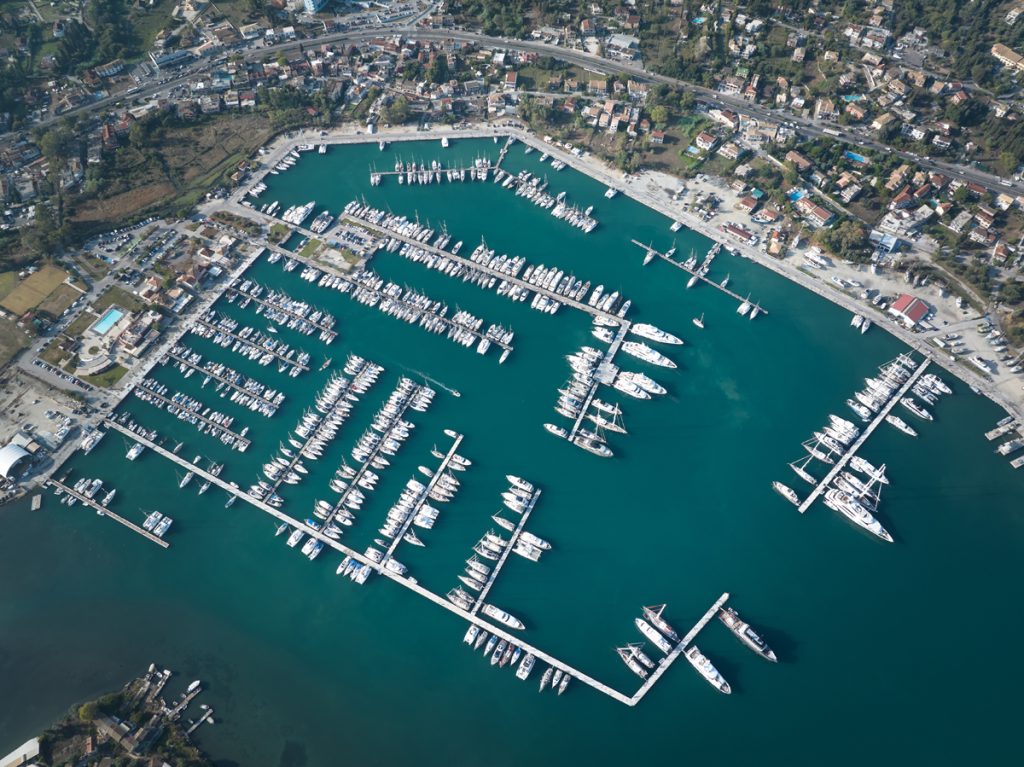
The entire marina infrastructure has been upgraded, significantly enhancing accessibility, comfort and the day-to-day experience for guests and crews.
– 104 new berths for vessels up to 50 metres in length
– New car parking areas
– An additional 6,000 square metres of dry storage space
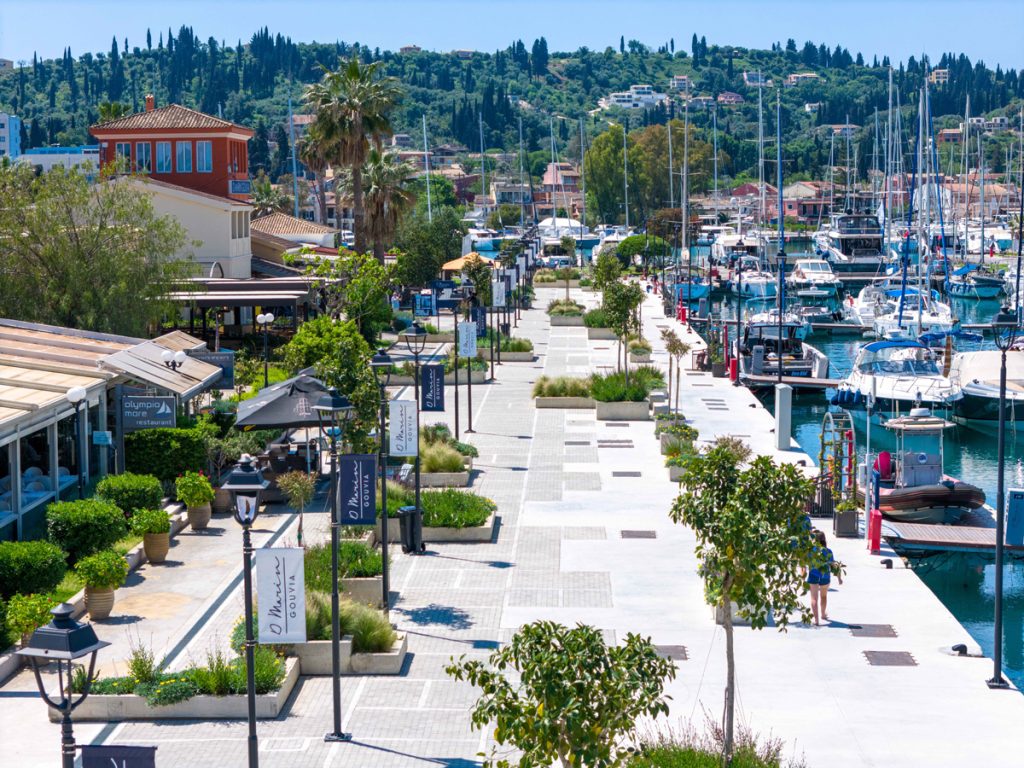
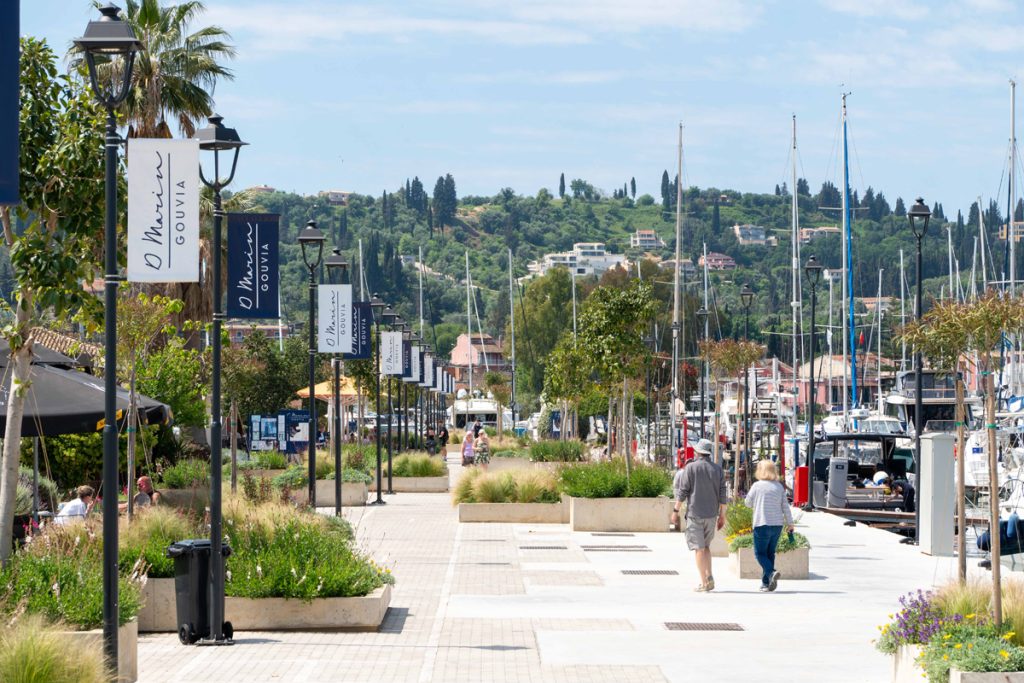
– Pedestrianised seafront
– Refurbished internal road network
– Refurbished toilets and showers
In addition to the marina area, the landscape and outdoor spaces have been incorporated into the project, with over 2,000 trees and plants planted to create a contemporary, open and welcoming environment. A new playground and an amphitheatre reinforce the marina’s social and cultural vocation; the amphitheatre will host concerts, cultural events and open-air cinema evenings, further establishing the marina as a destination that goes beyond the purely nautical dimension.
Ioannis Koutsodontis, Regional Director of D-Marin Greece, said: “The modernisation of Gouvia Marina goes far beyond a simple infrastructure project. It is a comprehensive transformation that brings together architectural excellence, technological innovation and sustainability, creating a premium, inclusive and dynamic destination deeply connected to Corfu’s local community”.
DIGITALISATION has also been a key focus. All berths are now equipped with terminals that enable remote management of electricity and water consumption via the D-Marin mobile app – a solution that enhances the user experience whilst optimising operational efficiency and energy management. To this end, Wi-Fi coverage has been upgraded across the site to ensure continuous, reliable connectivity.
The improvements introduced have also delivered tangible benefits in customer satisfaction, as evidenced by an 11-point increase in the Net Promoter Score (NPS), reflecting recognition of the superior quality of the facilities, services and overall experience.
In terms of sustainability, safety and ESG principles, the marina now features high-pressure water filtration systems, advanced fire detection and emergency alarm systems, as well as energy-efficient LED lighting.
As part of a wider redevelopment plan, Gouvia Marina has also completed its first on-site solar power installation, the first such project carried out by D-Marin in Greece. The 100 kWp system is expected to generate around 167 MWh of clean energy per year, covering approximately 20% of the facility’s operational energy requirements.
“The solar installation at Gouvia Marina confirms D-Marin’s ongoing progress towards decarbonisation and makes it the group’s first Greek marina to generate renewable energy on-site. The project adds to the 5 MW of photovoltaic capacity already installed at our marinas in Turkey, Croatia and Italy, supporting our SBTi commitment and our goal of reducing emissions by 42% by 2030”, said Korina Kostakaki, Head of Sustainability and Health & Safety at D-Marin Greece.
Gouvia was able to complete this ambitious project through the “Greece 2.0” National Recovery and Resilience Plan, funded by the European Union’s NextGenerationEU. According to D-Marin, the initiative marks a significant step forward for Greek nautical tourism, helping to accelerate sustainable investment, infrastructure modernisation and the sector’s long-term competitiveness.
(Gouvia and Greece 2.0 – Barchemagazine.com – May 2026)