Arrogance is taking an increasingly firm hold of the human spirit. As individuals involved in communication, we have to promote education and kindness as essential traits in our actions
by Francesco Michienzi
Education has given way to arrogance. This is not the title of a book shortlisted for the Strega Prize, but rather my response to a comment on a post on our Instagram account. I usually ignore such remarks so as not to feed the haters. So-called keyboard warriors love an argument, gathering like a pack of hungry wolves around their helpless prey, who often lacks the strength to respond civilly. However, it is sometimes necessary to intervene, so as not to be mistaken for an idiot. A polite request to correct what was believed to be incorrect information would have sufficed, clarifying the situation without issue. However, politeness is increasingly giving way to arrogance, and the ability to communicate respectfully and constructively is being lost. A lack of humility, a willingness to learn, and an inability to listen to others limit one’s capacity to strike a balance between self-confidence and respect for others. This balance is essential for healthy and constructive relationships. Probably the peremptory request to delete information has reasons unknown to us, although we can imagine what they might be.


Increasingly, politeness gives way to arrogance, resulting in the loss of the ability to communicate respectfully and constructively.
When it comes to events with questionable content, I recall the roundtable dedicated to the potential of nautical tourism. Whenever he attends boating events, the Liguria regional governor presents himself in his dual role as public administrator and yachtsman. I greatly admire his work as commissioner for the reconstruction of the Morandi Bridge, but as president of the regional council, he cannot simply list the problems. He must propose solutions, projects and timelines. According to him, if there were more buoy fields, boating would develop enormously. An interesting theory, applauded by Minister Santanchè, who calls on Salvini, the minister responsible for infrastructure, to take action. However, Bucci, in his political role, forgets that the region could take responsibility for state property and solve the problem, which Bucci, in his role as a yachtsman, faces.

«The government should address the issue of tourism in ports by conducting a general review of the problems related to maritime state concessions and, if possible, resolving them once and for all».
Furthermore, studies on the development of our sector consistently indicate that investment in port infrastructure is necessary to accommodate mooring and services for large yachts, thereby improving accessibility and convenience for owners. To provide superyacht clients with high-quality, personalised services, it is essential to promote the training and specialisation of personnel in the recreational boating sector. Simplifying the bureaucratic procedures involved in mooring and navigating recreational vessels in Italy is equally important, as it would make the country more welcoming to foreign visitors. Even Minister Santanchè, in her role as a yachtwoman, who is concerned about the closing hours of marinas, could make a concrete contribution by asking her government colleagues to reform Presidential Decree 509 to clarify the process for building new marinas suitable for superyachts. This Decree served to regulate the construction of new infrastructure and established the procedure for the services conference.
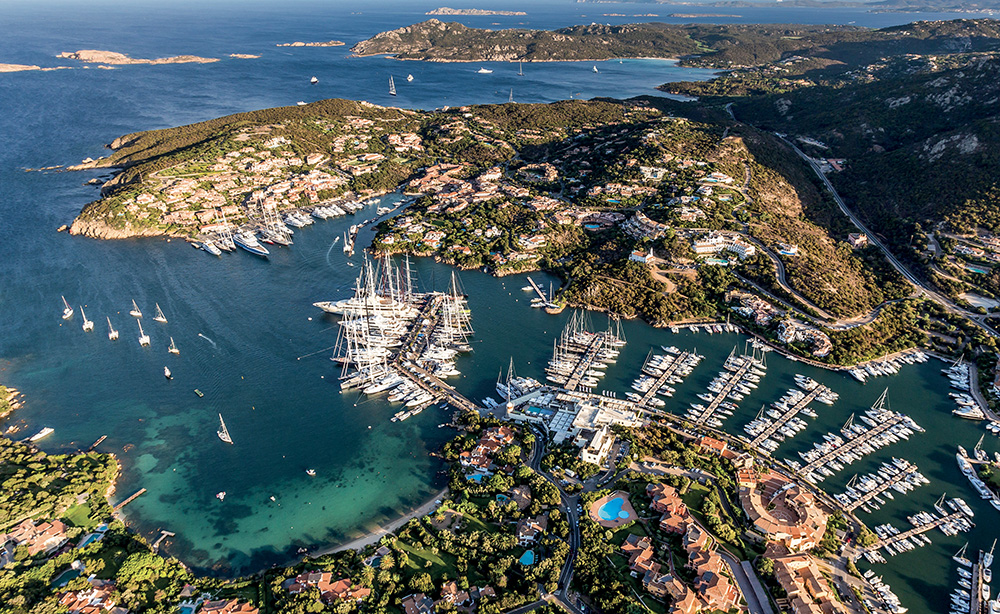
Before Presidential Decree 509, the procedure was significantly more complex. One had to knock a thousand doors to get the go-ahead. The services conference, on the other hand, brings together all the competent parties around a table to provide an answer to a request for a state concession to build a port. But to make it even more effective, a precise indication of the timeframe is needed. A private party wishing to invest in building a marina has the right to know when it will receive an answer. Otherwise, he will abstain or withdraw from the project, as has happened in many cases. Entrepreneurs in Liguria who wish to invest in the Genoa area and its surroundings are awaiting the approval of the port plan so that they can implement their development projects. While this is not directly the responsibility of Bucci and Santanchè, if they are genuinely committed to the development of nautical tourism, they could play a more active role. I hope that no more public resources will be wasted on a roundtable discussion that serves no practical purpose other than generating headlines in the media. There was little more than an hour of self-referential statements, with no debate or opportunity for dialogue.
To return to the initial theme, I want to mention a case in which education never gave way to arrogance. Giorgio Donà has left us. Of him, I would like to recall the gentle, polite, never arrogant trait. A successful entrepreneur, he was particularly respectful of everyone’s work. He was an example of great humanity, governed by intense ethical and moral rigour.
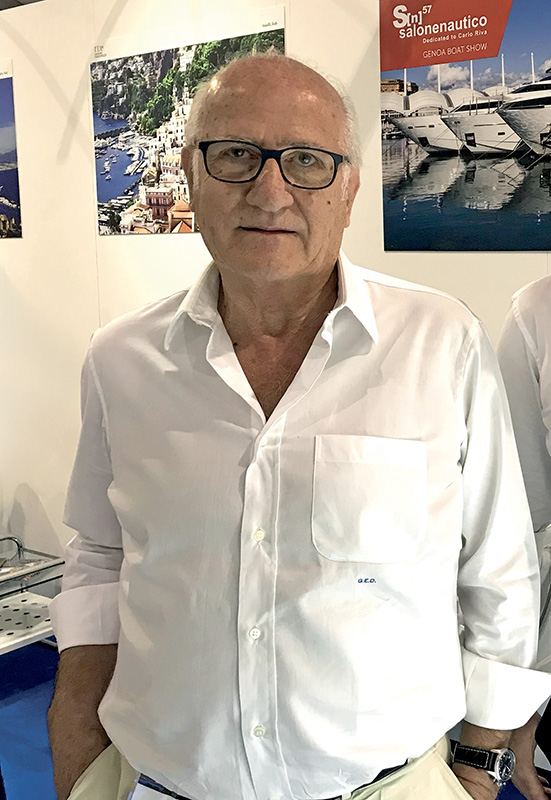
Giorgio Donà was an enlightened entrepreneur who took his duties very seriously. He respected everyone’s work and was a great example of ethical and moral rigour. His polite and kind manner characterised him. Confindustria Nautica awarded him the title of Pioneer in recognition of his successful concept of organised distribution in the high-end nautical market, which established Saim Spa as a leading global provider of components.

(Educazione versus arroganza – Barchemagazine.com – Tratto da Barche, Agosto 2025)